Mineral Families
Minerals are usually sorted into large families based on their chemical composition. This is called the Strunz classification.
Two other categories, which contain fewer minerals, are also part of the Strunz classification: borates and organic compounds.
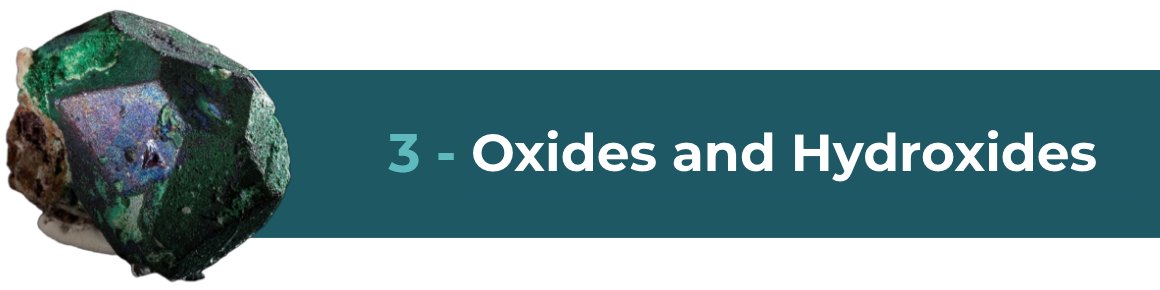
Oxides and Hydroxides
These are mostly minerals whose crystal structure combines metals with oxygen, or with the OH– (hydroxyl) group. This category includes several minerals of high economic value.
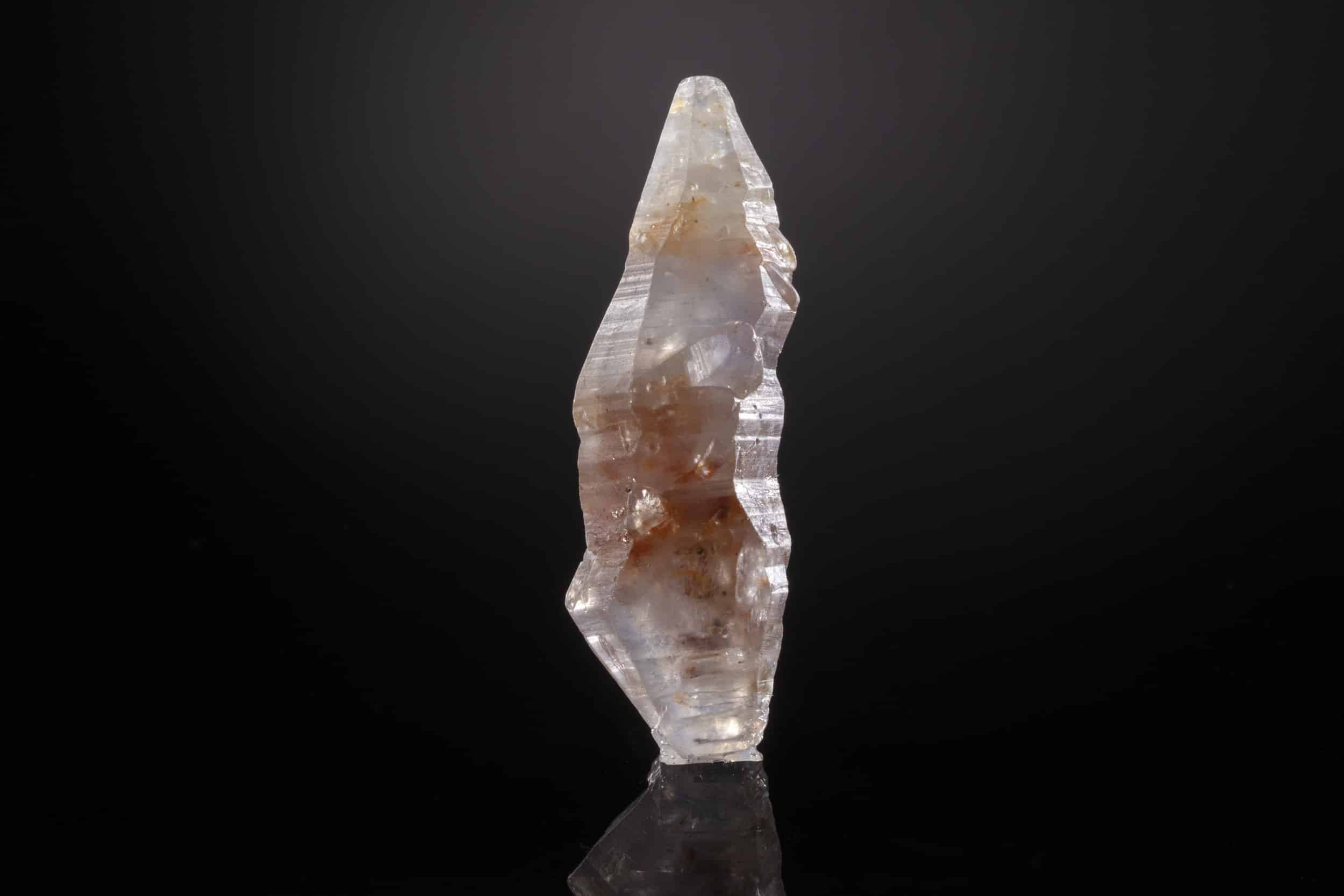
Corundum
5 cm x 2.5 cm x 5.5 cm
Al2O3
Origin: Ratnapura, Sri Lanka
Oxides and Hydroxides
Frequency: relatively common, very rare in the case of sapphire and ruby varieties.
Hardness: 9
Streak: white
Very hard hexagonal prismatic crystals; the hardest natural crystals after diamond. The ruby variety of corundum is red in colour.
Uses: Used as an abrasive. Gem-quality varieties are sought after as precious stones (rubies, sapphires).
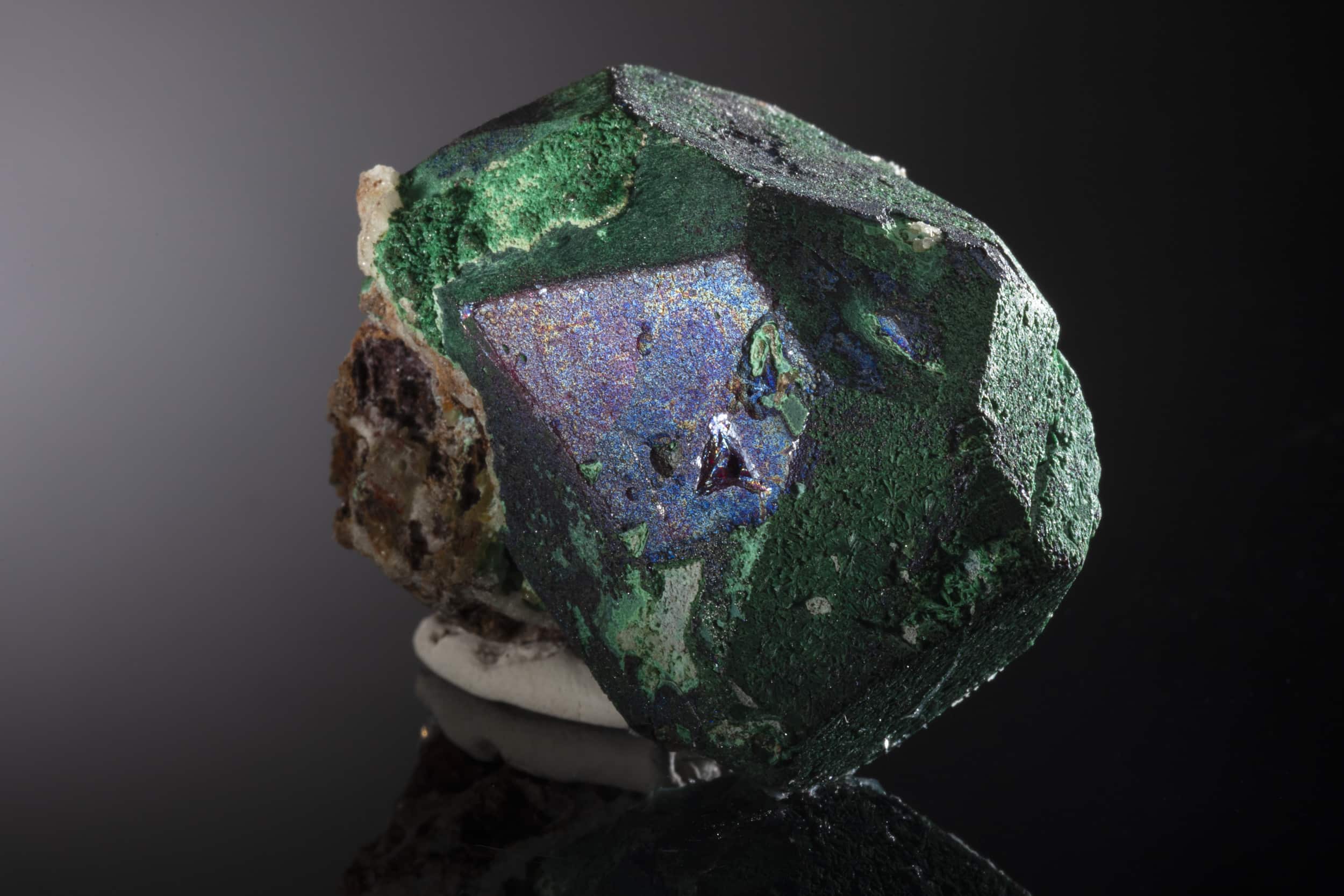
Cuprite
5 cm x 5 cm x 3.5 cm
Cu2O
Origin: Oganja, Namibia
Donated by: J. Pigeon, 1990
Oxides and Hydroxides
Frequency: uncommon
Hardness: 3.5 - 4
Streak: red to reddish brown.
A red to almost black mineral found with copper deposits.
Uses: Can be used as a copper ore. Some gem varieties exist.
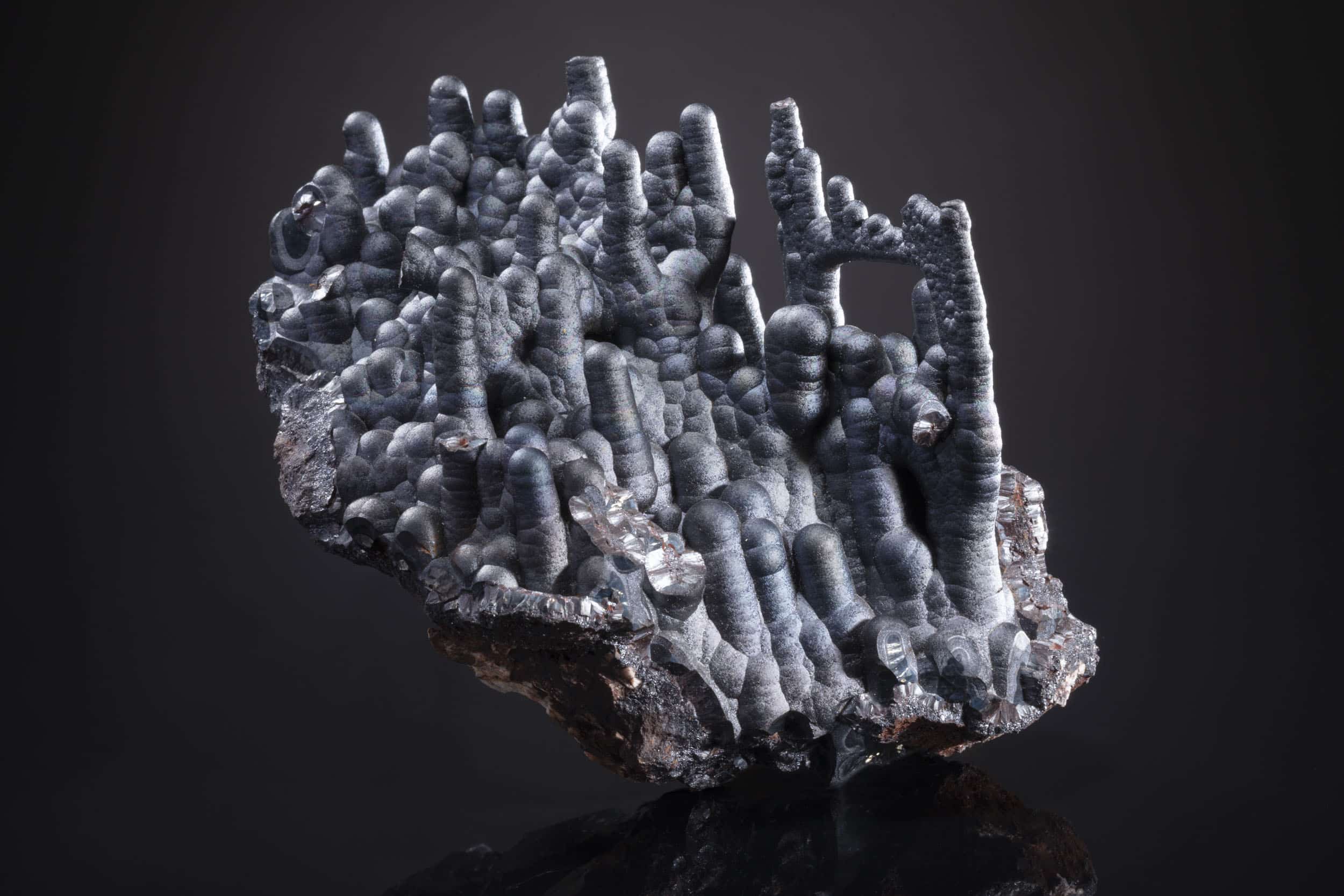
Goethite
8 cm x 7 cm x 5.5 cm
FeO(OH)
Origin: Germany
Oxides and Hydroxides
Frequency: Common
Hardness: 5-5.5
Streak: yellowish brown
Reddish-brown to black crystals that form when iron-rich minerals are altered.
Uses: Used as an iron ore and as a pigment.
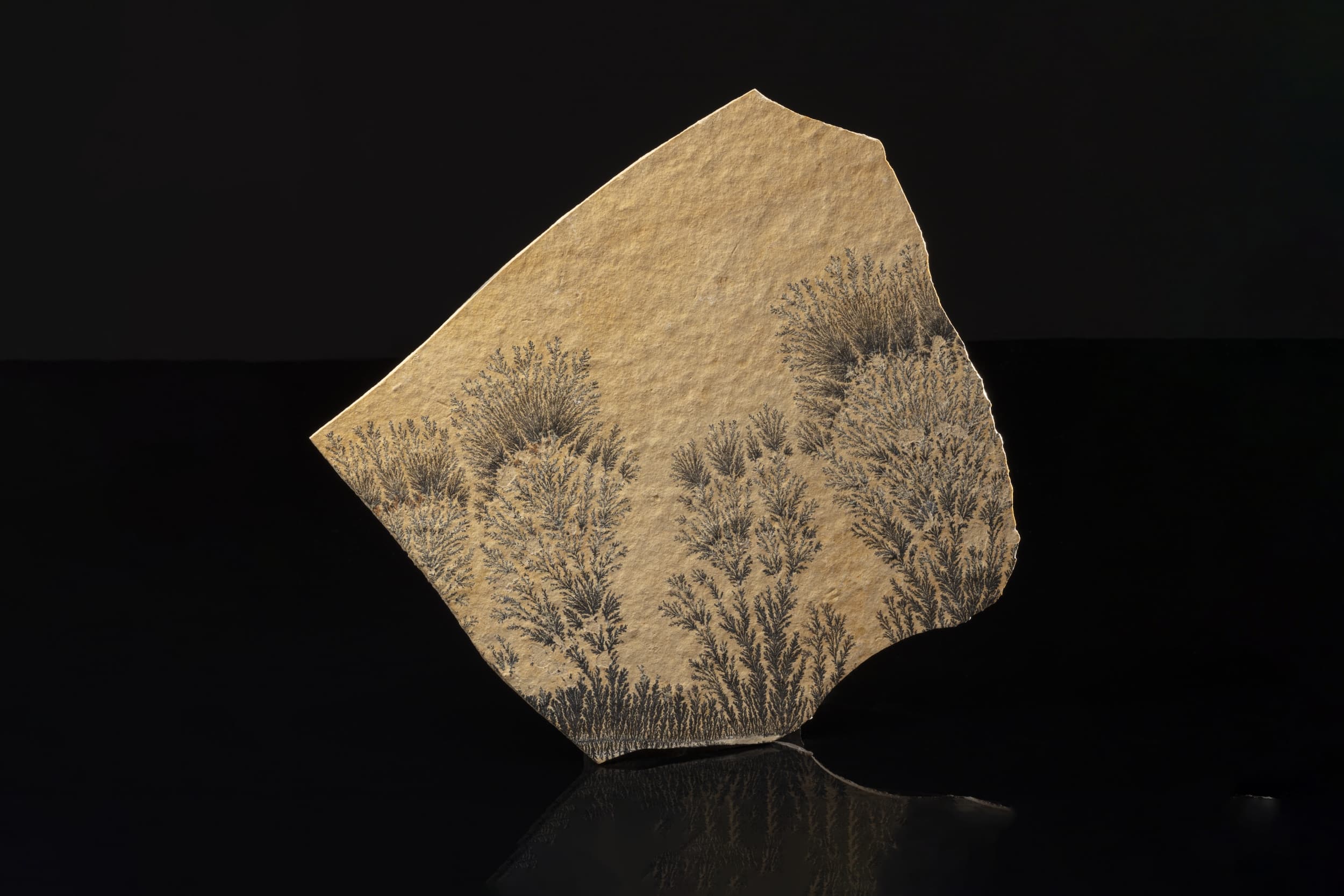
Romanechite
28.5 cm x 25.5 cm x 1 cm
(Ba,H2O)2(Mn4+,Mn3+)5O10
Origin: Germany
Oxides and Hydroxides
Frequency: common
Hardness: 5 - 6
Streak: black - gray
Black to dark gray crystals named after the place where it was first described: Romanèche, in France. It often forms when manganese-rich rocks are altered.
Uses: Manganese ore used to make steel.
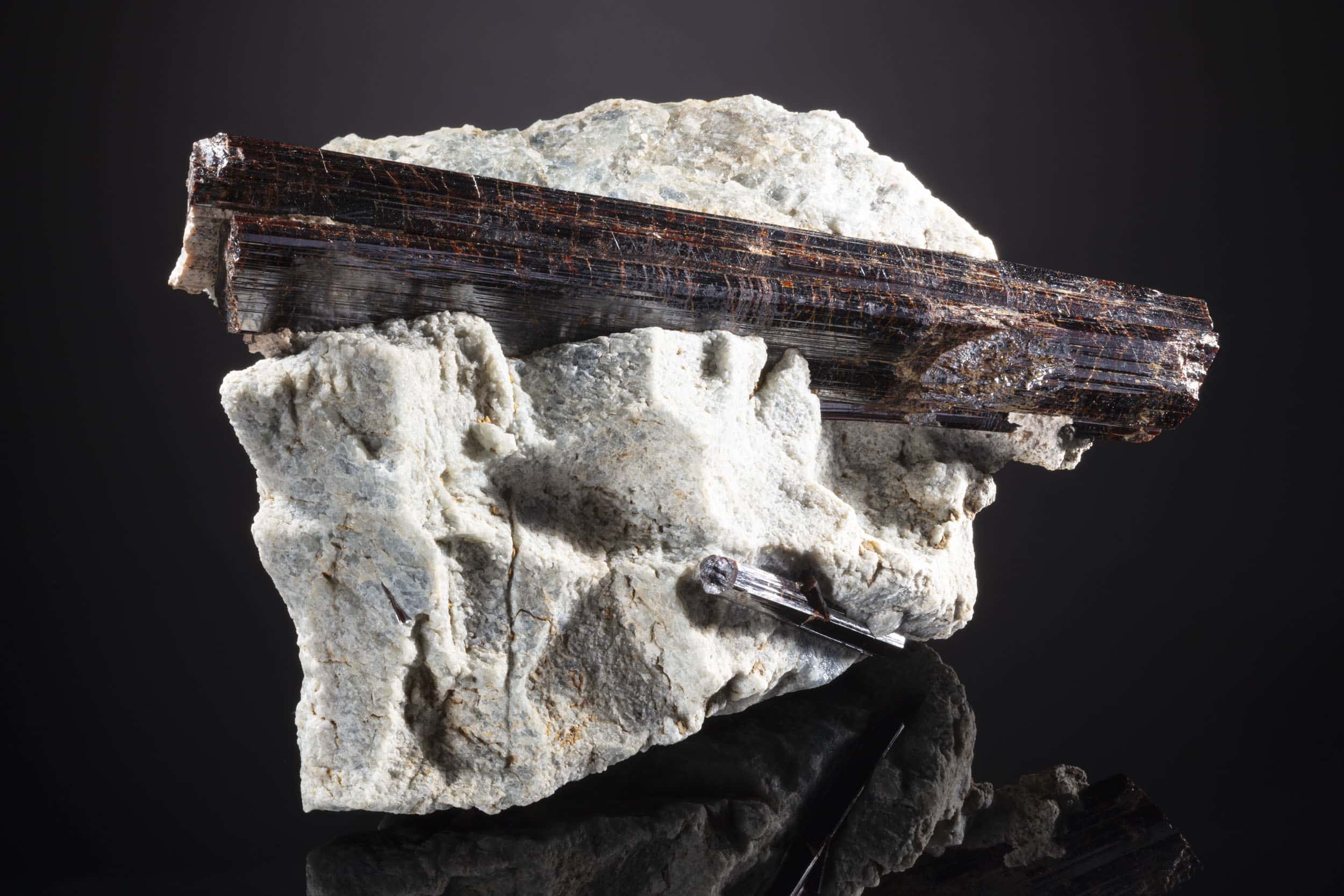
Rutile
(19 cm x 13 cm x 8.5 cm)
TiO2
Origin: Quebec, Canada
Donated by: Janick Spatz, 2020
Oxides and Hydroxides
Frequency: uncommon
Hardness: 6 – 6.5
Streak: gray-black, pale brown to yellow
A hard mineral named after the Latin word “rutilus,” which means red. The name refers to the bright red color of some specimens.
Uses: Titanium ore used as a white pigment or as an opacifier. Among other things, it is found in cosmetics that protect against UV rays.