Introduction
We’ve all watched snowflakes gently fall from the sky in winter
You’ve probably heard that every snowflake has a different shape. However, if you look closely, you’ll find some common points:
- Symmetry (often imperfect)
- A hexagonal shape with 6 branches
In fact, these characteristics reflect the arrangement that water molecules adopt, solidifying while slowly settling. As they solidify, the individual molecules arrange themselves according to a very well-defined three-dimensional pattern. This arrangement of matter is known as crystallisation.

How to explain the complex shape of snowflakes?

The crystallisation of water into snowflakes begins around a speck of dust or pollen. This enables the formation of a small hexagonal plate. As the ice crystal descends towards the ground, further crystals build upon the initial one, causing the points of the hexagon to elongate. It is the changes in atmospheric conditions (temperature, relative humidity, wind speed) encountered by the snowflake as it falls that produce variations in its shape and, consequently, make each snowflake unique.
The snowflake’s symmetry is explained by the fact that all its segments experience the same atmospheric conditions at the same time.

Did You Know?
Mineral World
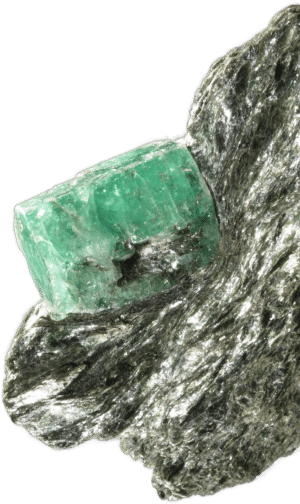
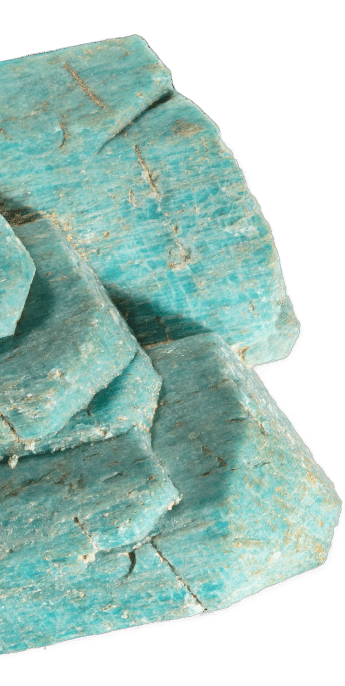
This organisation of matter is found elsewhere in nature. It is, amongst other things, what characterizes the mineral world.
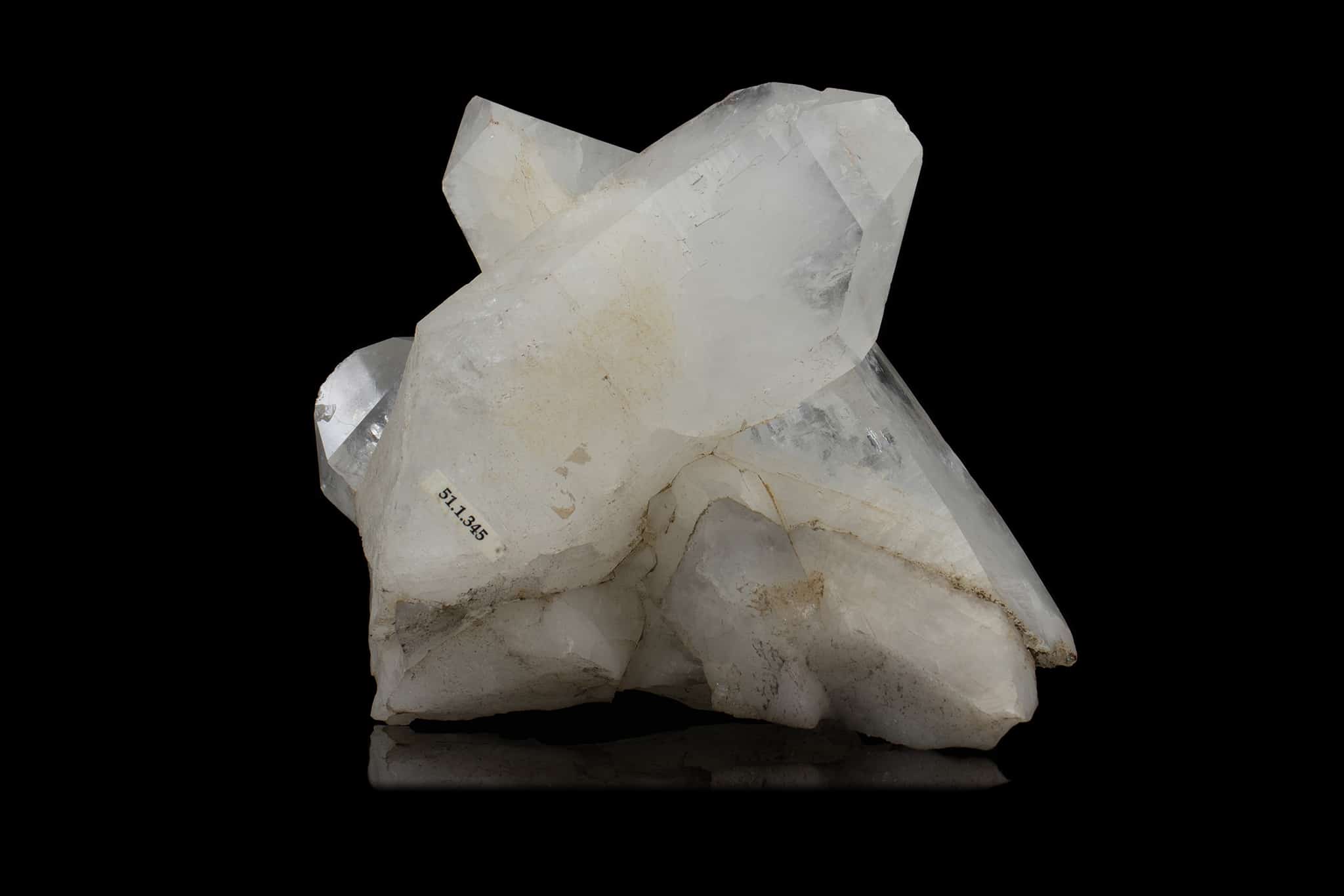
Here is an example of a quartz crystal that also crystallizes in the hexagonal system.
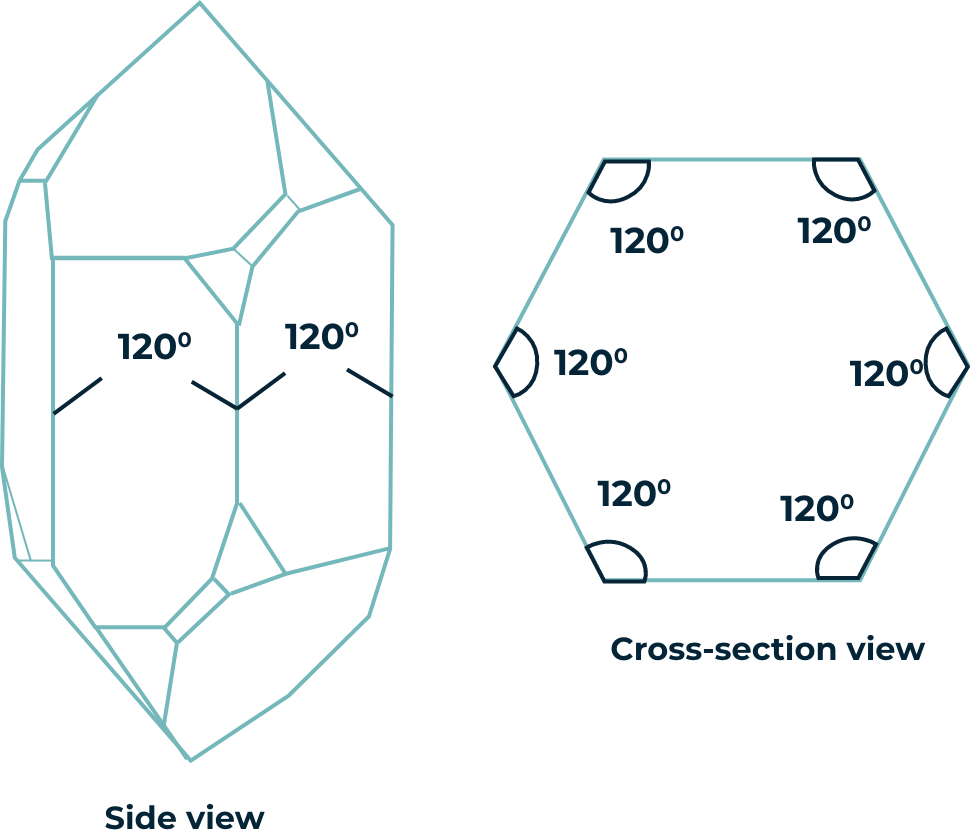
Although the width of the quartz crystal’s faces may change, its angles always remain the same.

In this image, three quartz crystals have grown intersecting each other. Take the time to observe this 3D specimen to appreciate the hexagonal shape of its crystals.
This section will introduce you to the amazing world of minerals and their characteristics.
If you cannot interact with the 3D object, consult the quartz image gallery.