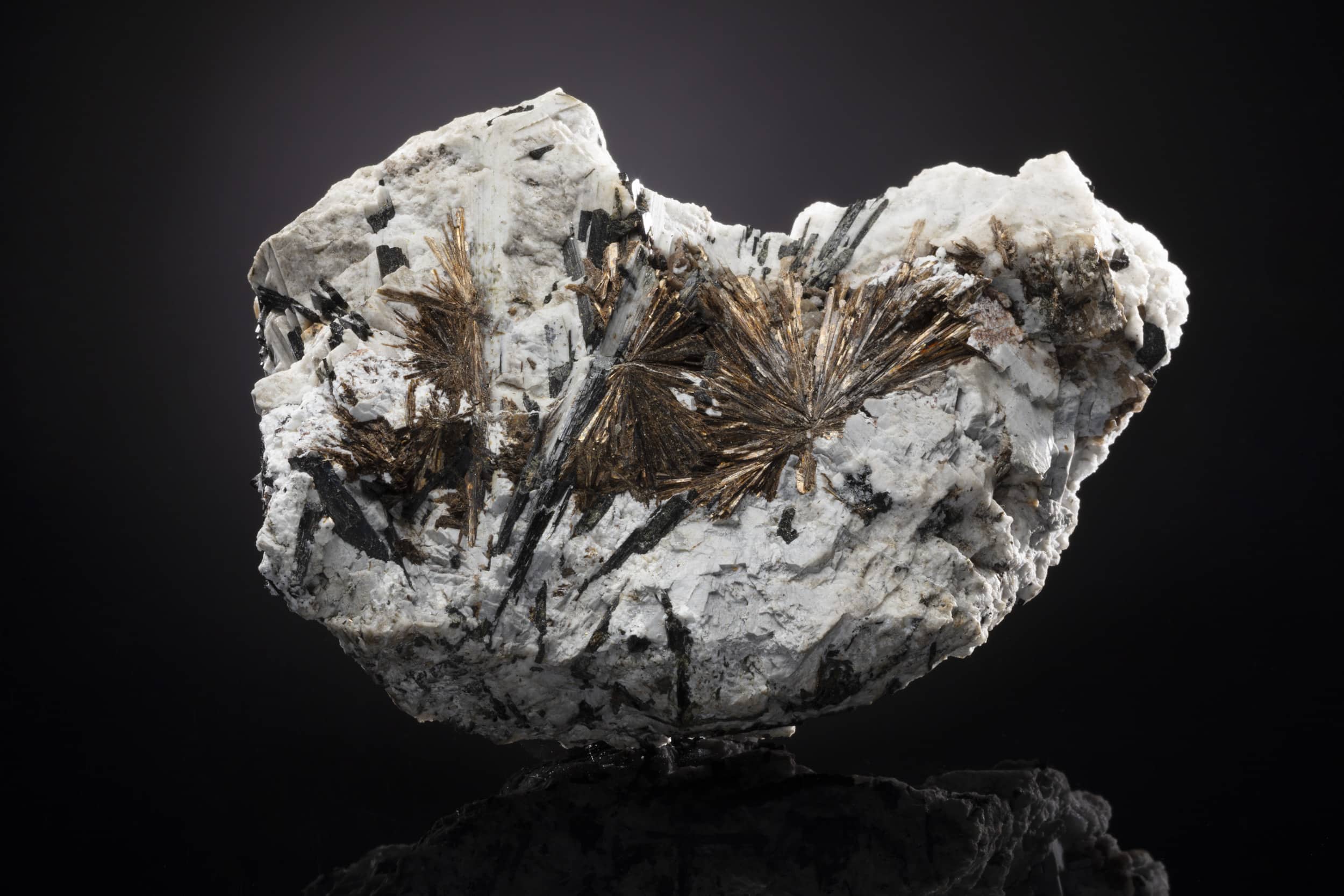
Mont Saint-Hilaire
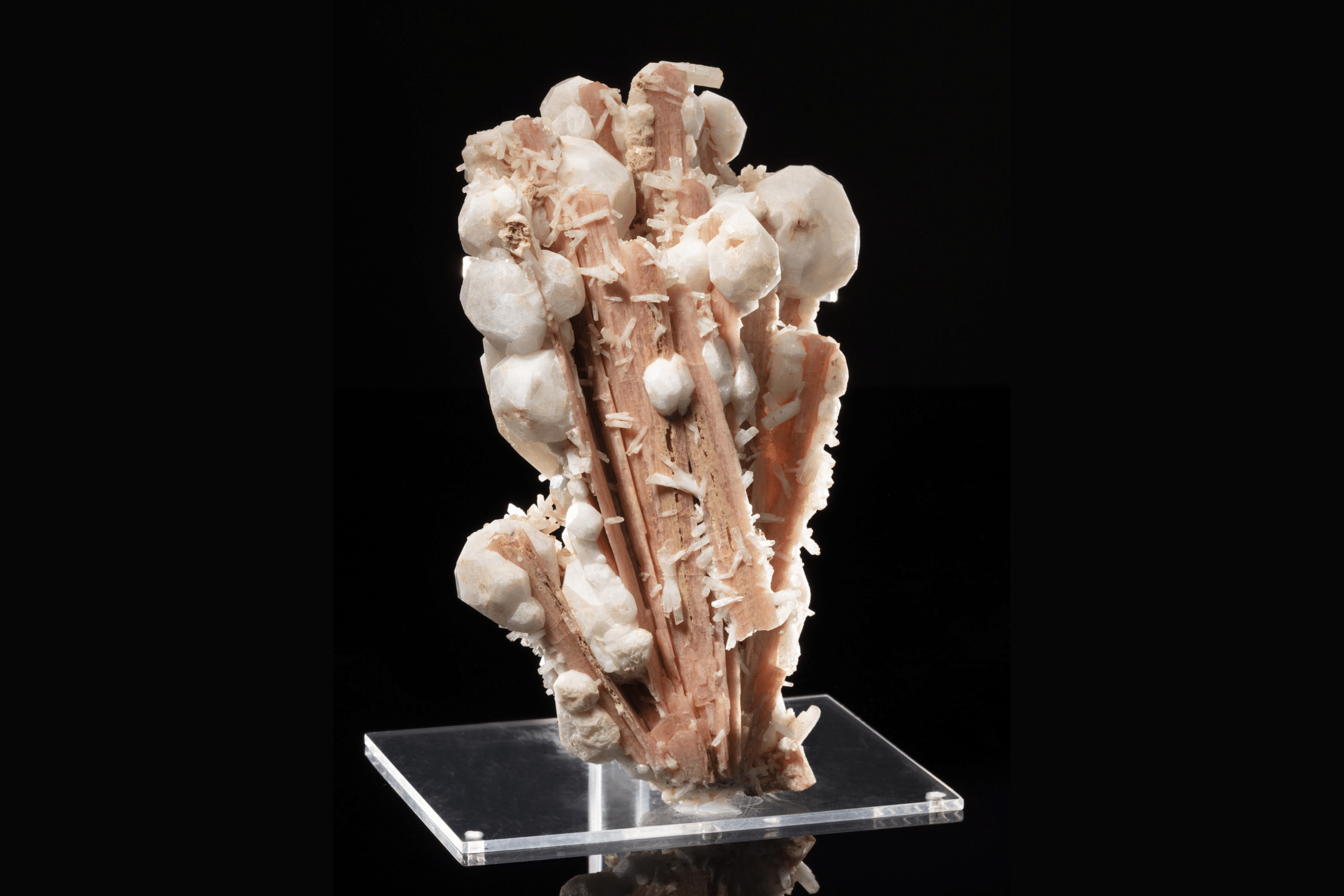
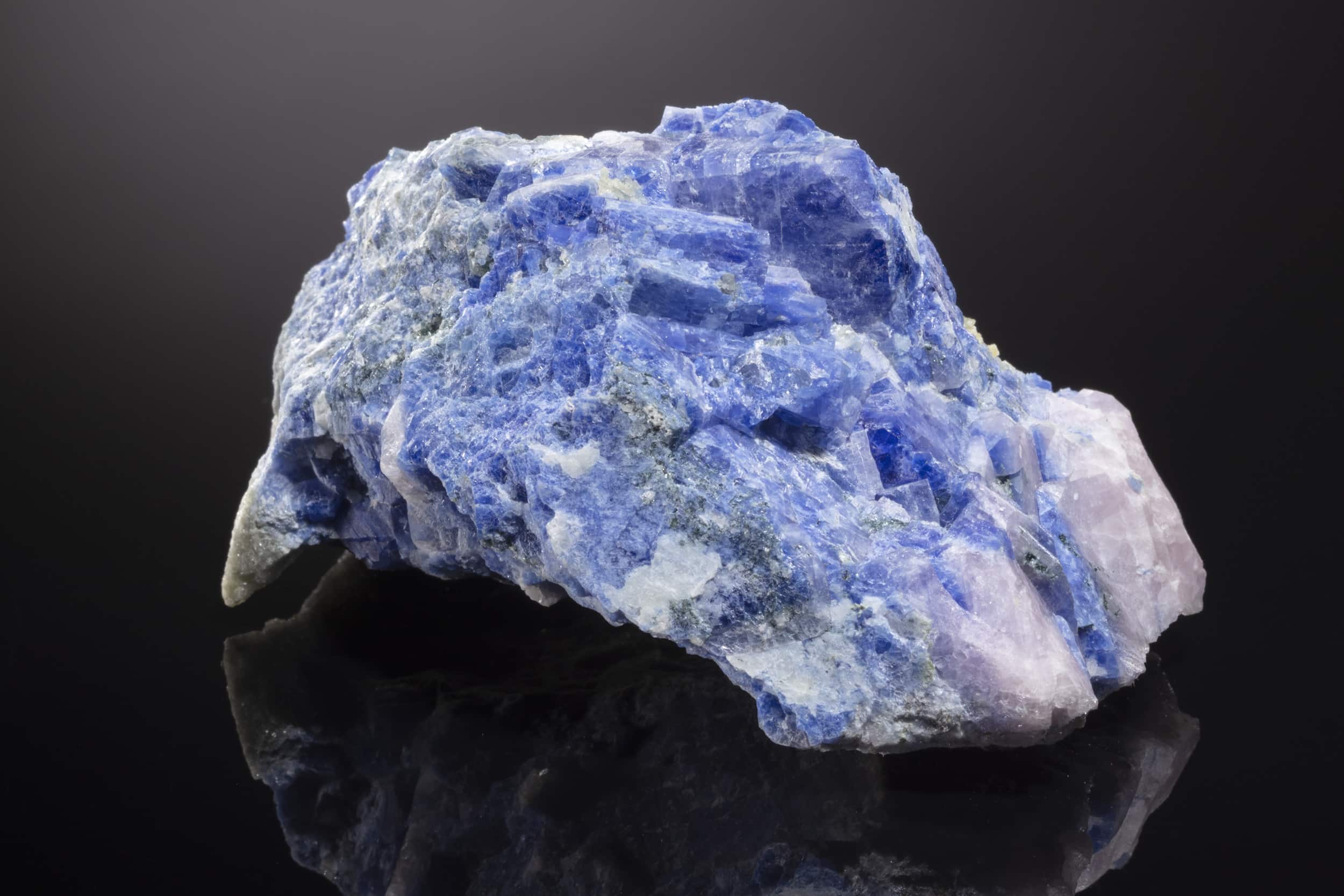
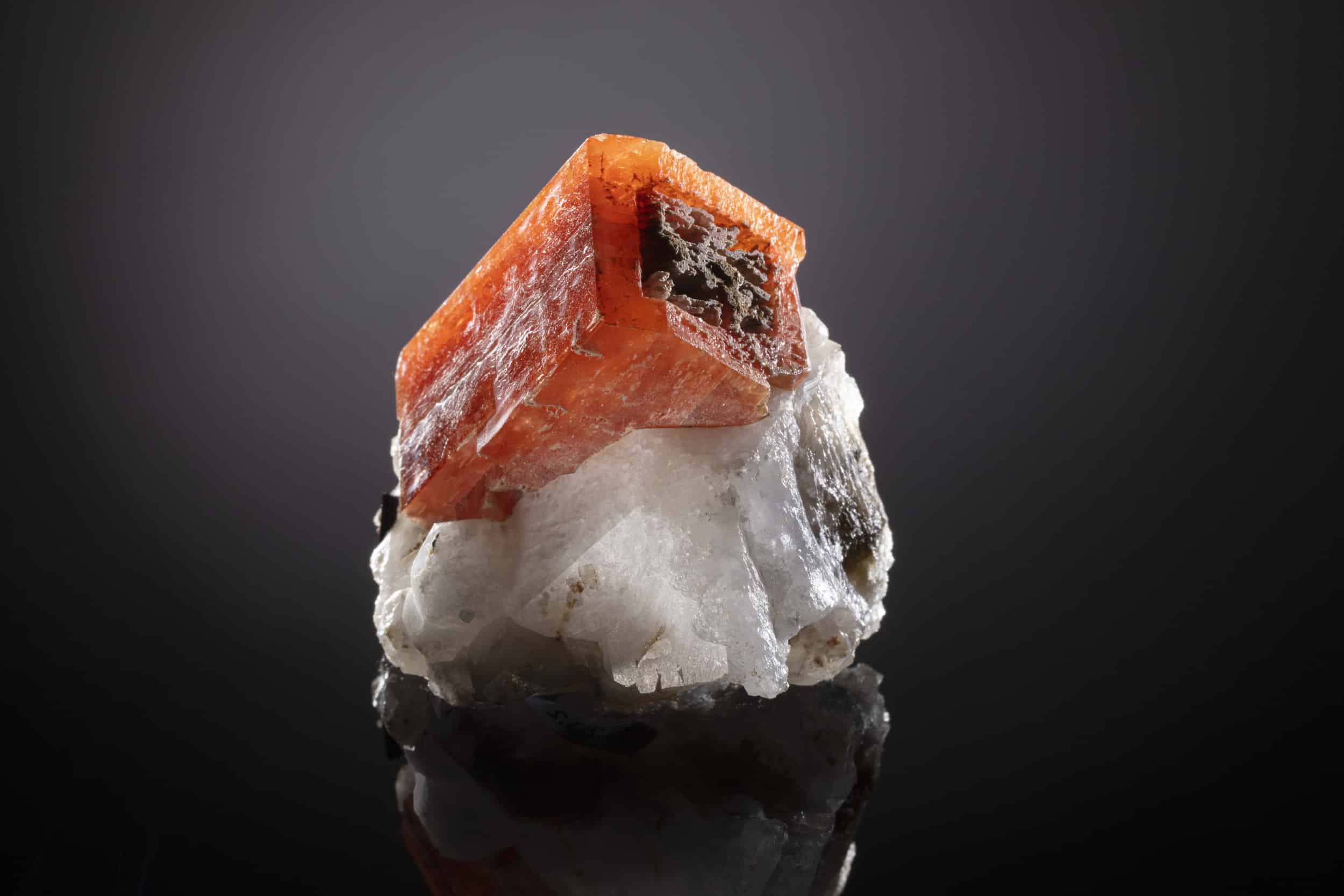
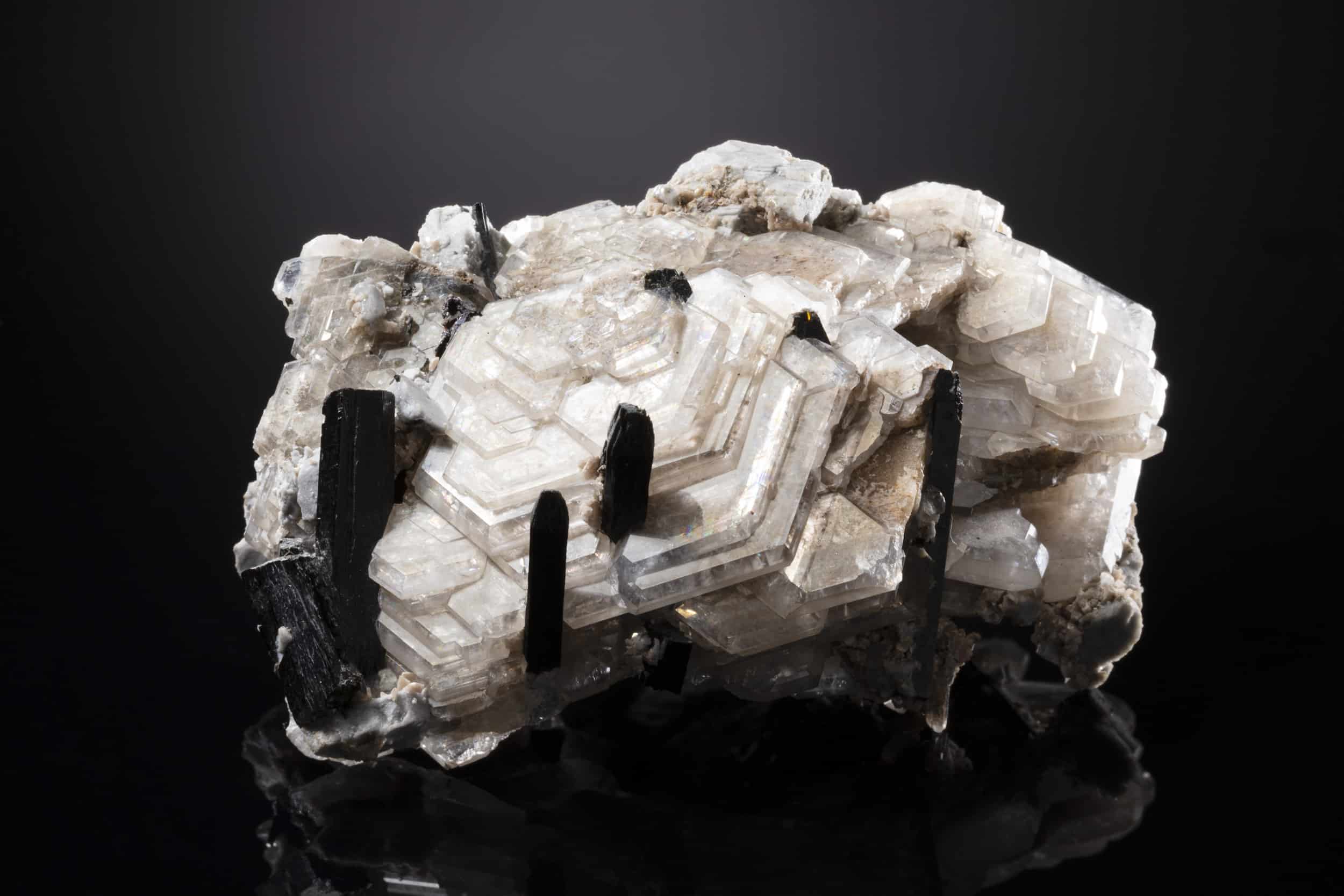
More than 400 minerals have been recorded at Mont Saint-Hilaire. Not only is this site the type locality for several minerals – that is, the place where they were first identified – but some have never been found anywhere else on the planet.
This exceptional mineralogical diversity is mainly due to the nature of the rocks that make up the mountain: agpaitic nepheline syenites, which are relatively rare intrusive igneous rocks characterised by an atypical chemical composition.
How it formed
The origin of the Monteregian Hills is linked to the movement of the North American tectonic plate over a mantle hot spot (a concentration of heat coming from deep inside the Earth). The high temperatures linked to this hot spot helped magma intrude deep underground.
Mont Saint-Hilaire forms part of this range of small mountains in southern Québec. It consists of intrusive igneous rocks formed during the Cretaceous period, around 100 to 140 million years ago. These rocks were intruded into much older sedimentary layers, dating from the Cambrian (around 540 million years ago) to the Ordovician (around 460 million years ago). The preferential erosion of these more friable sedimentary rocks gradually exposed the more resistant igneous rocks, giving rise to the current landscape.
Limestone from the St Lawrence Lowlands, 460
million years old
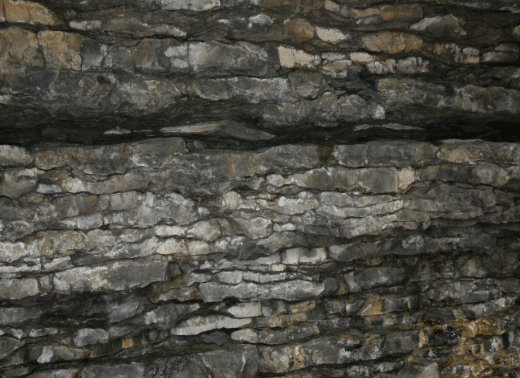
Monteregian region Intrusion Approximately
130 million years
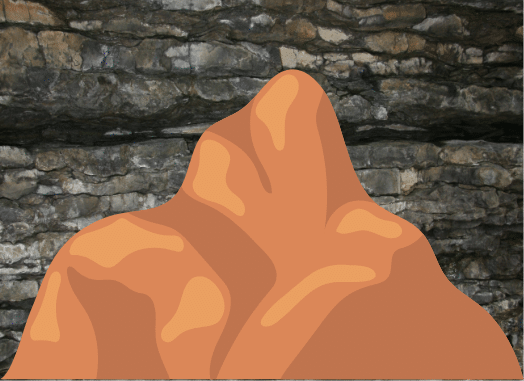
Limestone from the St Lawrence Lowlands, 460
million years old
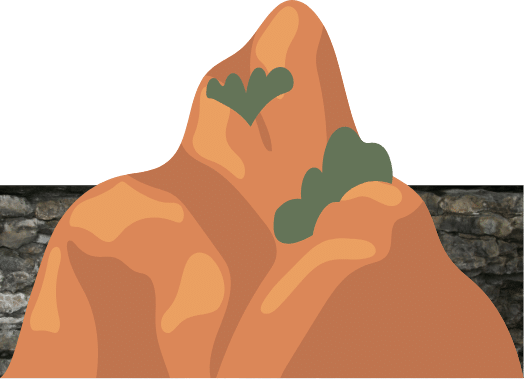
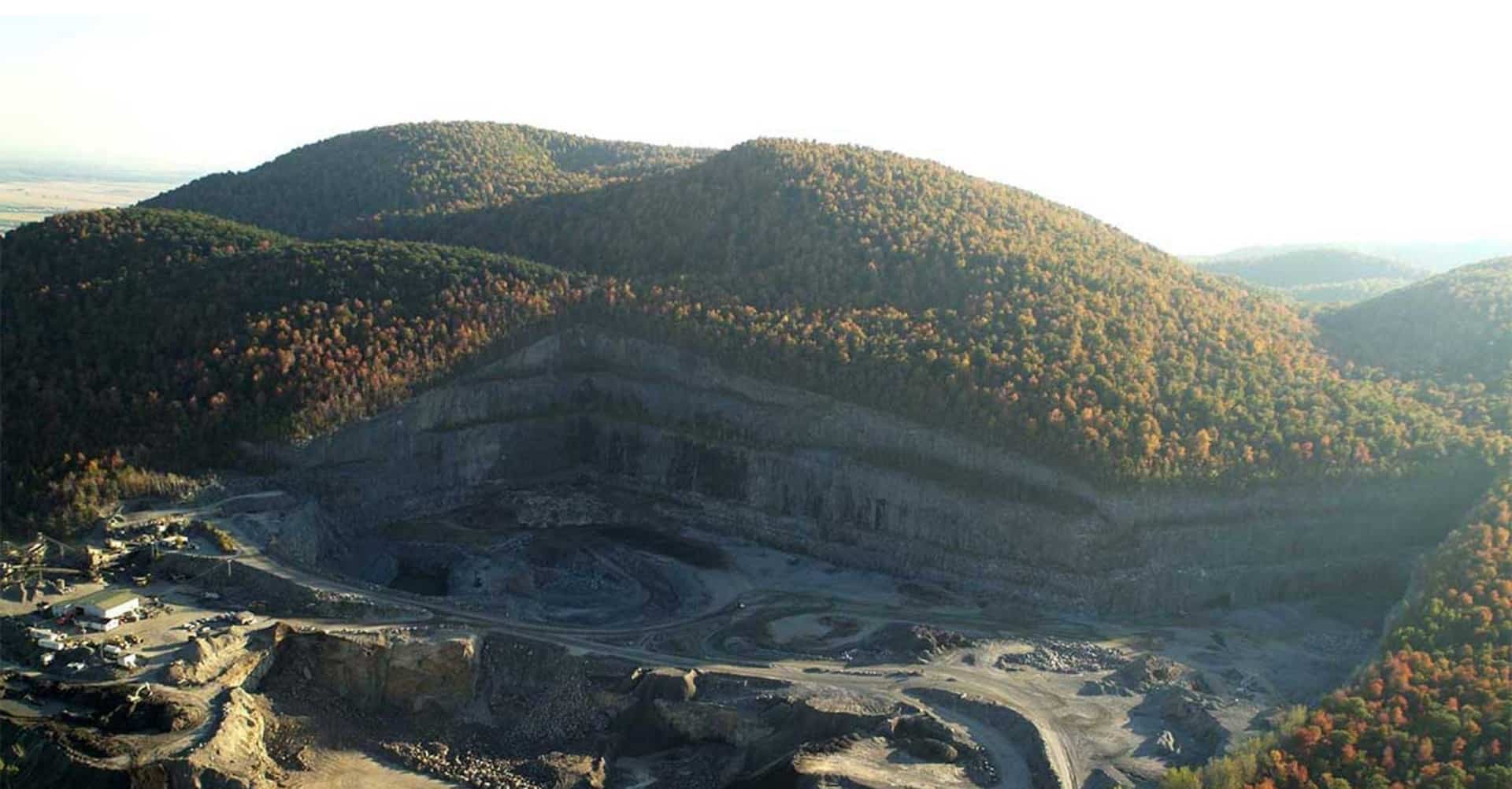
Mont Saint-Hilaire
Here are a few examples of minerals found at this site: