Skip to secondary menuSkip to main contentSkip to footer

Logo - Les Géosciences - A down-to-earth discipline
  • Geologic Time
  • Minerals
  • Mineral Resources
  • FR
  • Digital Museums Canada
1Introduction2Crystals3What Is a Mineral?4Mineral Families5Gems6Mont Saint-Hilaire7Properties of Minerals
Test your knowledge

Mineral Families

Minerals are usually sorted into large families based on their chemical composition. This is called the Strunz classification.

Two other categories, which contain fewer minerals, are also part of the Strunz classification: borates and organic compounds.
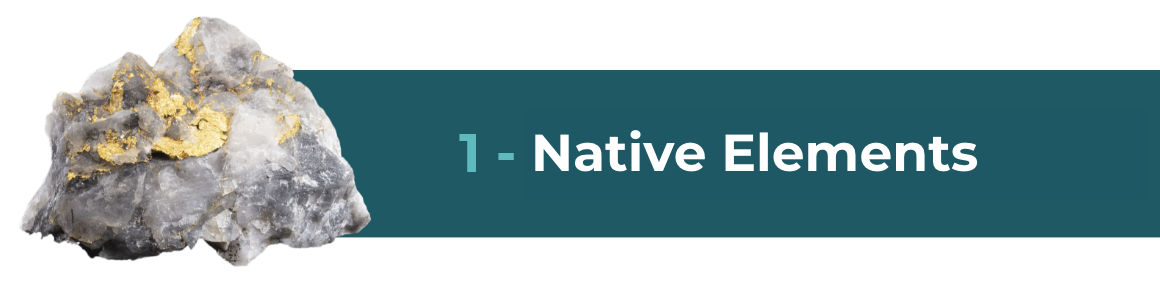
Native Elements – family of minerals made of a single chemical element
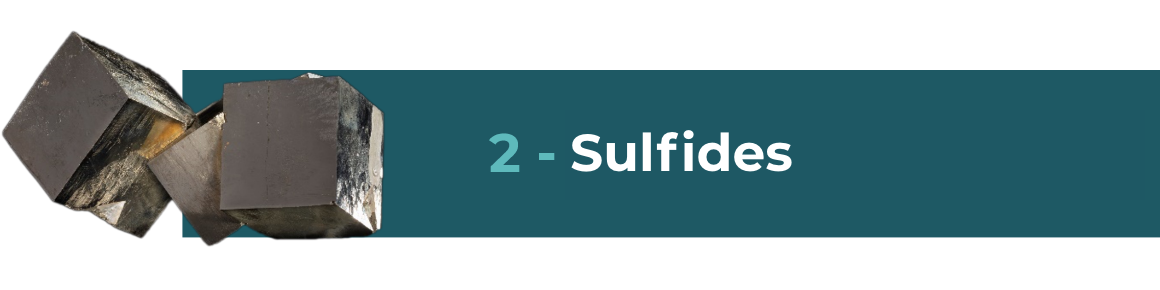
Sulfides – go to the sulfide family
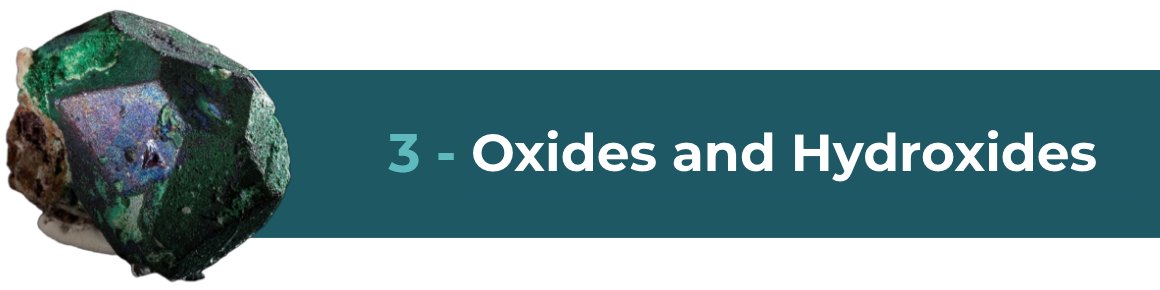
Oxides and hydroxides – go to this mineral family
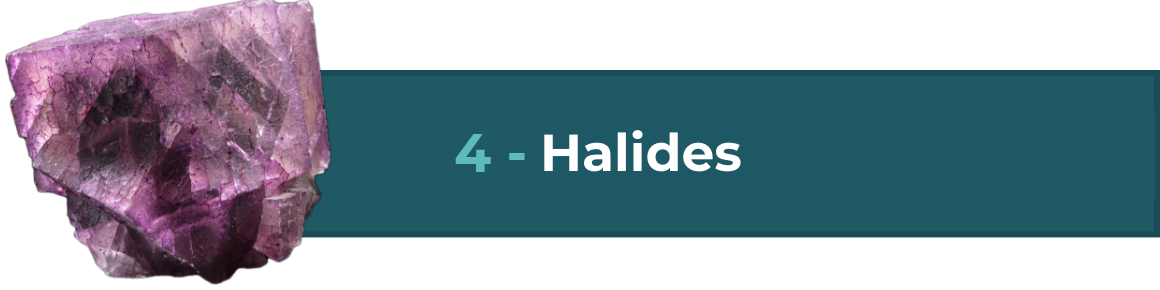
Halides – go to this mineral family
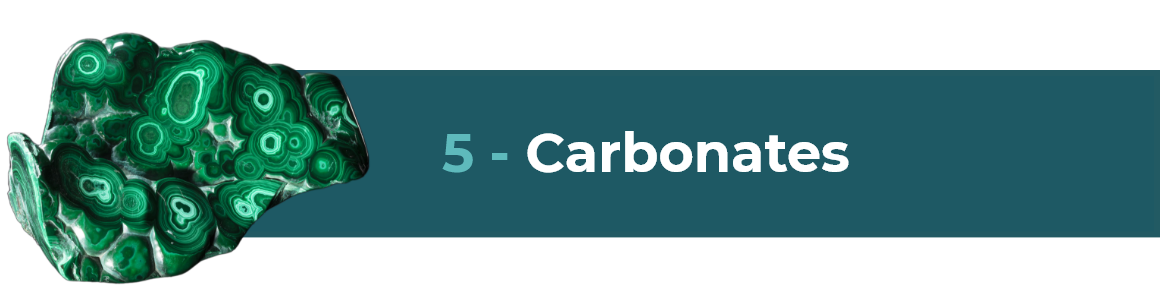
Carbonates – go to this mineral family
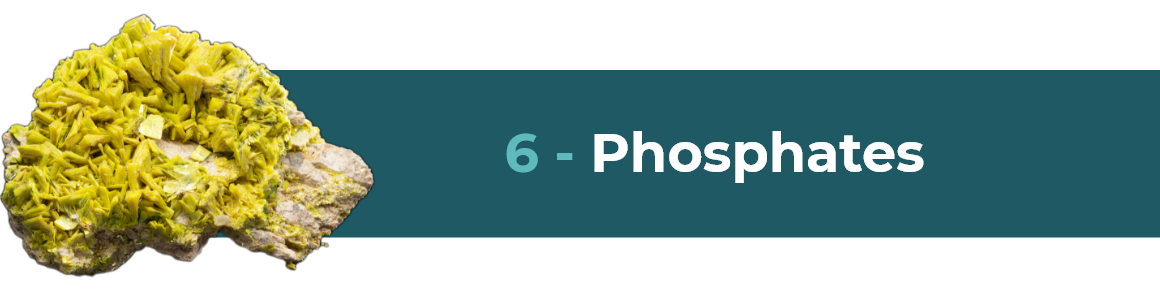
Phosphates – go to this mineral family
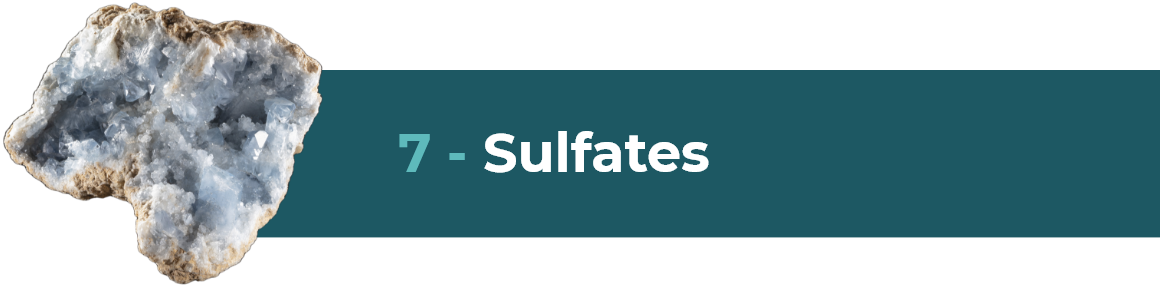
Sulfates – go to this mineral family
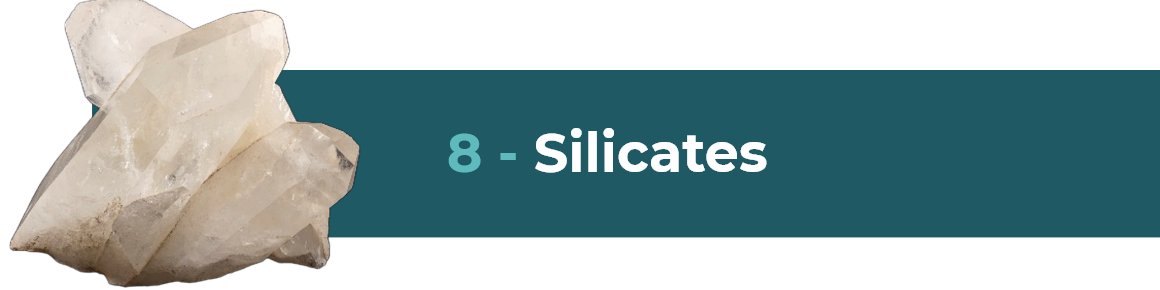
Silicates – go to this mineral family
Geosciences – A Down-to-Earth Discipline
Back to Top
  • The Project
  • Acknowledgements
Digital Museums Canada
Quebec Ministry of Natural Resources and Forests
Laval University
Triaxe
iSCAN - 3D Expertise

Copyright © René-Bureau Geology Museum, 2026 – all rights reserved | Developed by Triaxe and iSCAN

Site Map

A planet with a question mark Did You Know?

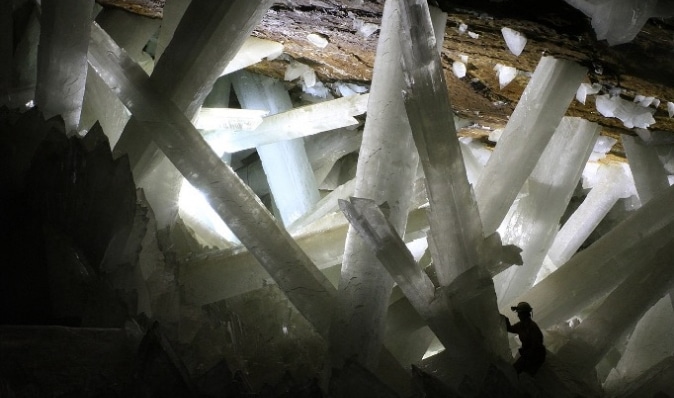
The Cave of the Crystals: Naica Mine, Mexico

Discovered in 1999, this cave holds giant gypsum crystals, which belong to the sulfate group. They are among the largest crystals ever found on Earth and can reach 11.4 m in length.

Inside view of the Naica mine cave in Mexico, discovered in 1999, showing huge translucent white gypsum crystals up to 11.4 meters long, with explorers in protective suits at the foot of the crystals showing their exceptional size
Giant gypsum crystals in the Naica mine (source: Wikipedia) – https://en.wikipedia.org/wiki/Naica_Mine#/media/File:Cristales_cueva_de_Naica.JPG