

Quiz – Test Your Knowledge

1. Pyrite has a metallic luster.
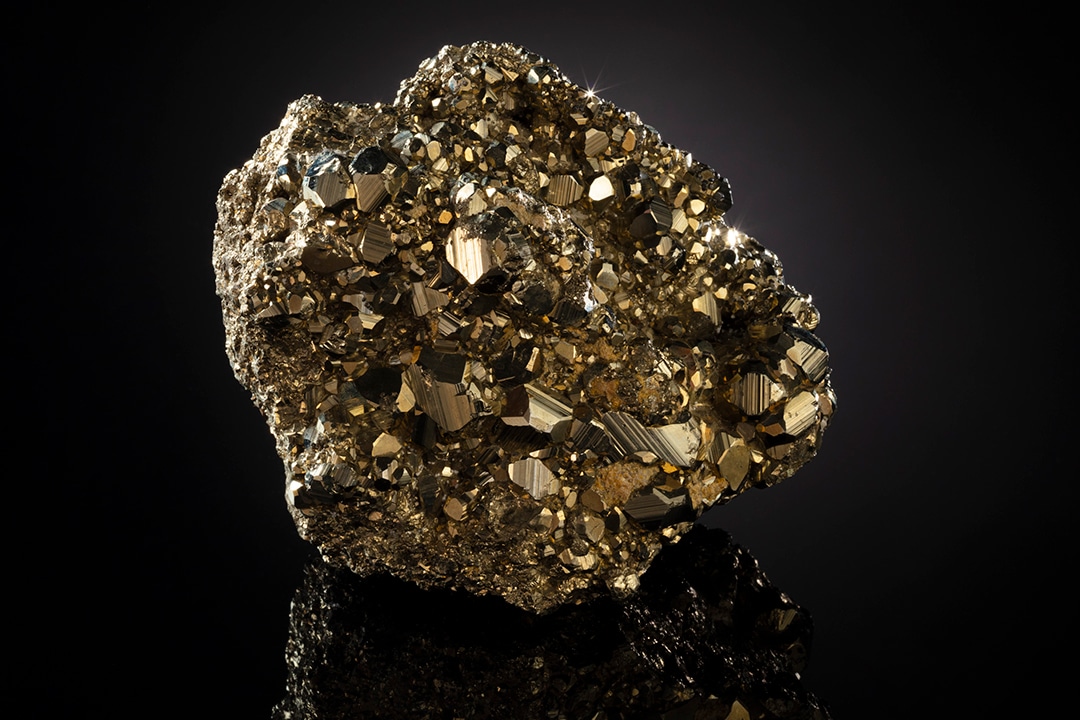
Pyrite specimen with very shiny, metallic golden-yellow cubic crystals showing its typical metallic luster

Answer: True.

2. If biotite can be scratched by a knife, it means it has a hardness of 6.
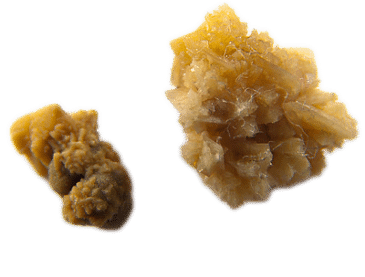
Biotite specimen with flexible, black, submetallic sheets

Answer: False, it means its hardness is less than 5.5 on the Mohs scale.

3. Galena has a gray streak.
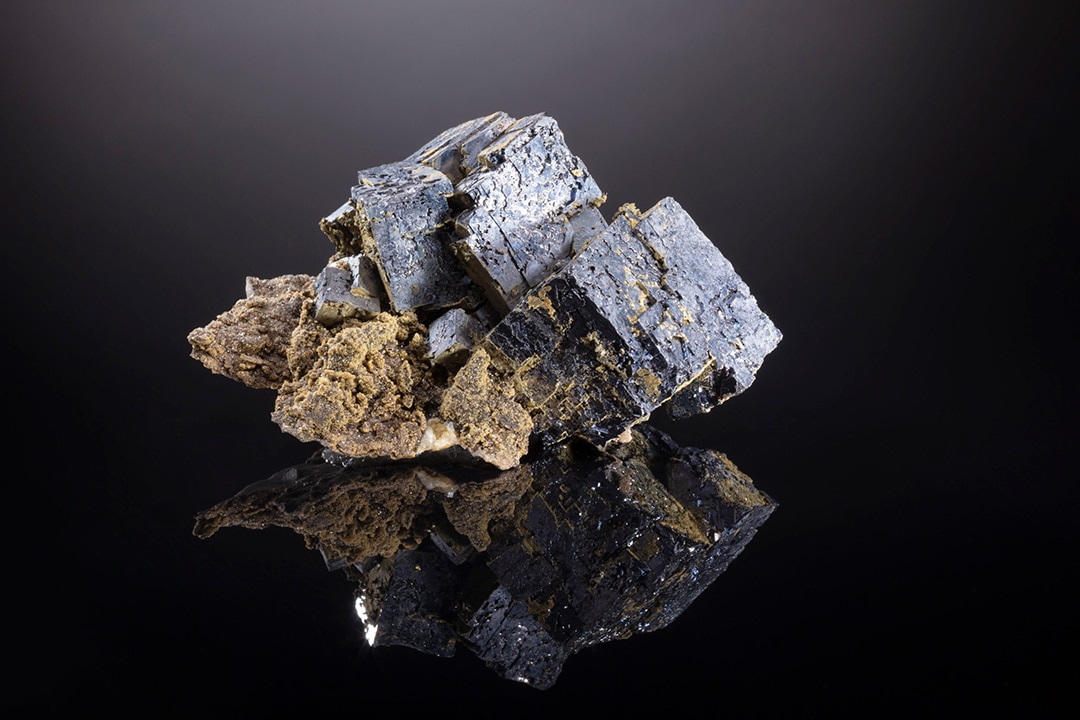
Galena specimen with metallic gray cubic crystals whose streak on a porcelain plate is gray

Answer: True.

4. If talc has a hardness of 2, I will not be able to scratch it with my fingernail.

Biotite specimen with flexible, black, submetallic sheets

Answer: False, a fingernail has a hardness of 2.5.

5. Hematite has a blue streak.
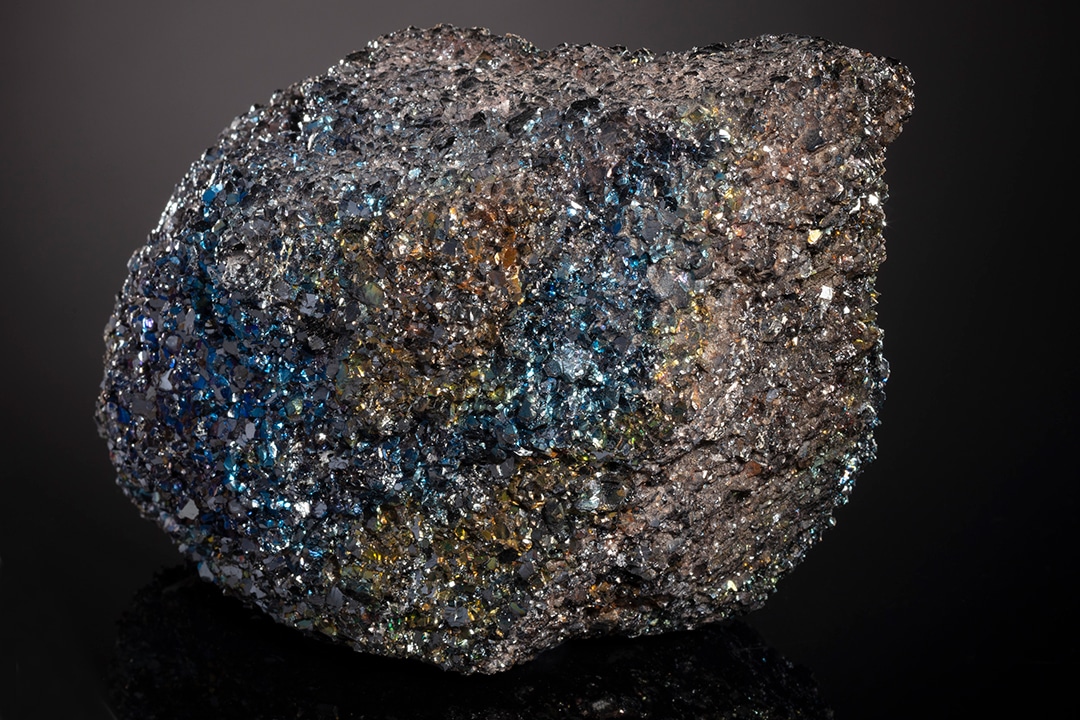
Hematite specimen with black to metallic gray masses whose streak on a porcelain plate is a characteristic red to brown, unlike its surface color

Answer: False, hematite always has a red to brown streak.

6. The color of pyrite is yellow.

Pyrite specimen with shiny golden-yellow cubic crystals, the color that earned it the nickname fool’s gold
Answer: True, this color is what earned pyrite the name “fool’s gold.”

Quartz has a metallic luster.
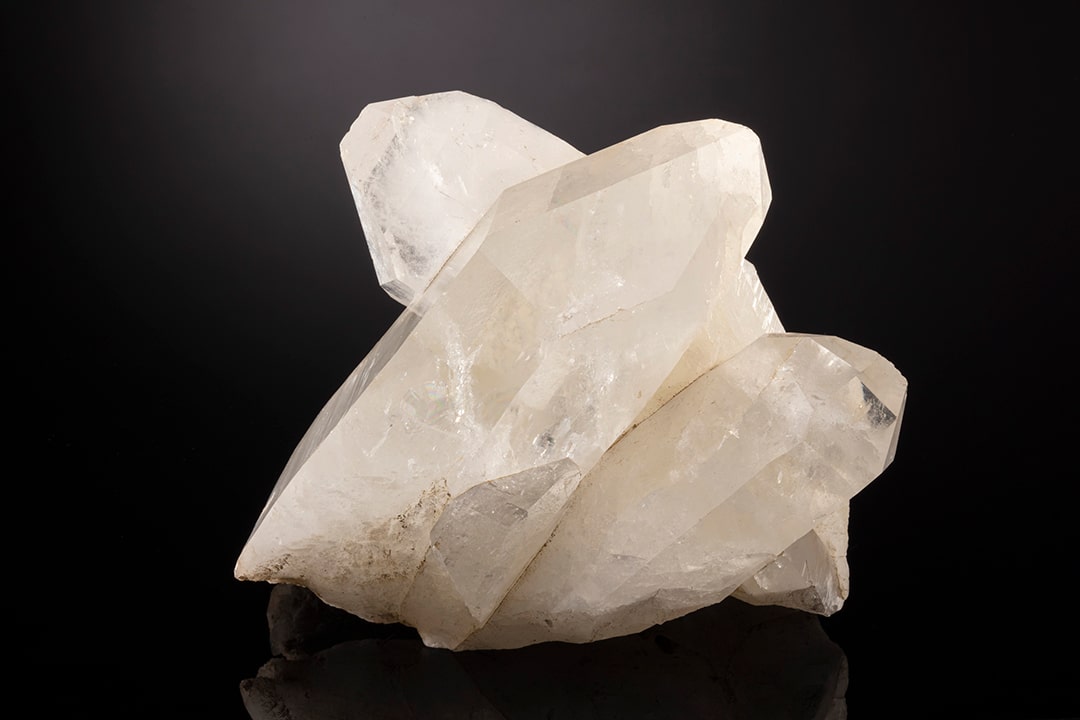
Quartz specimen with translucent hexagonal crystals and glassy reflections showing its nonmetallic luster

Answer: False, quartz has a nonmetallic luster called vitreous (glassy).

8. Calcite comes in a rhombohedral form.
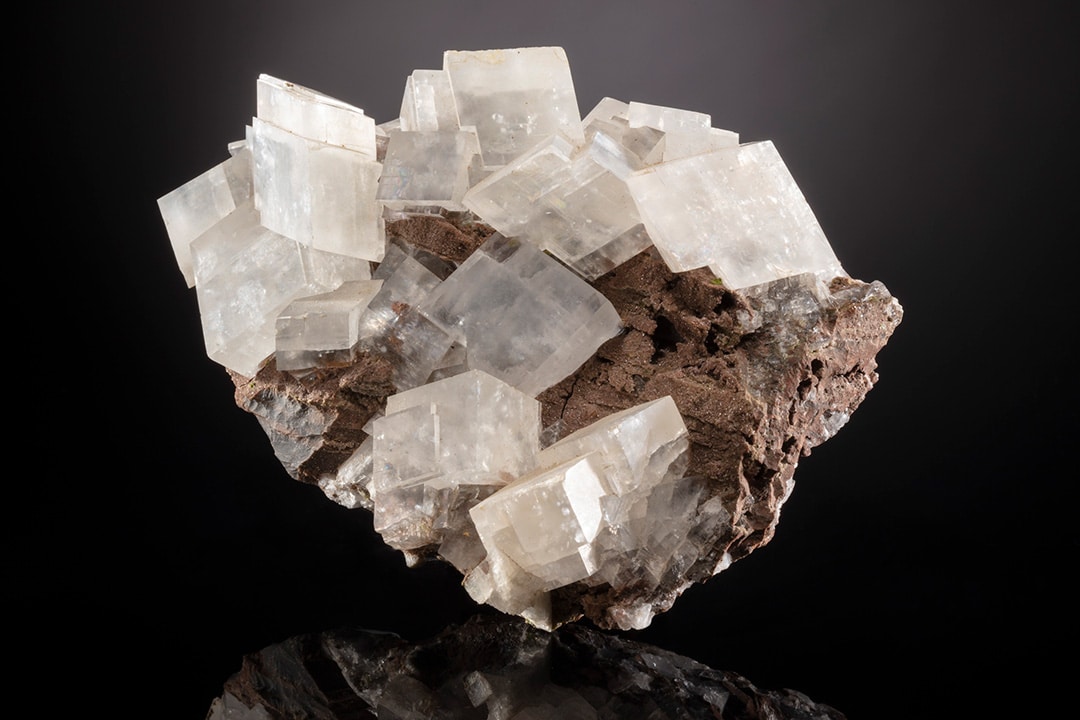
Calcite specimen with translucent milky-white rhombohedral crystals and typical flat cleavage faces

Answer: True.