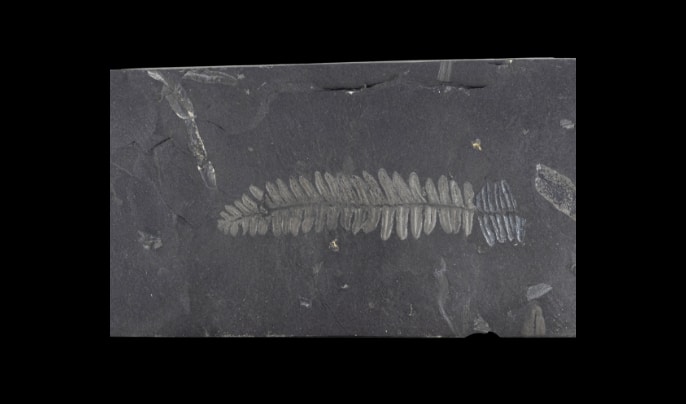
The appearance and disappearance of species observed in rocks have made it possible to divide up geological time. But how can traces of life end up in rocks?
Fossilization is a slow process that preserves remains or traces of living things in sediments. The organic matter is often replaced by minerals.
This is rare, because most organisms disappear after they die. Yet fossils are essential for understanding the evolution of life on Earth.
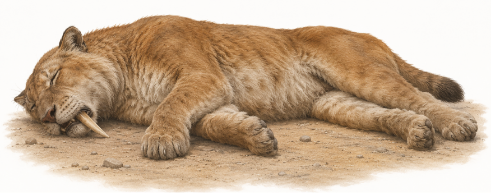
A
Death
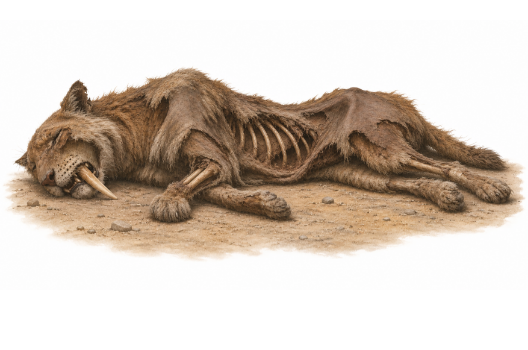
B
Decomposition
Soft parts
removed (oxidation)
C
Burial
Buried by sediments
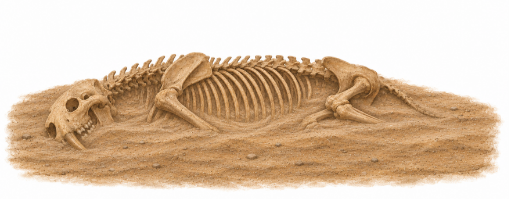
A trace of the hard parts, or the hard parts themselves, is preserved
D
Fossil
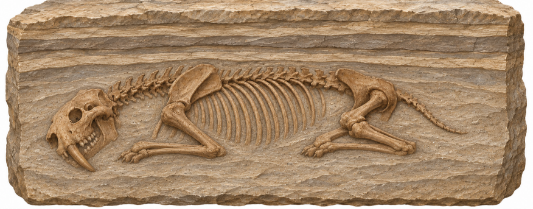
OTHER TYPES OF FOSSILIZATION
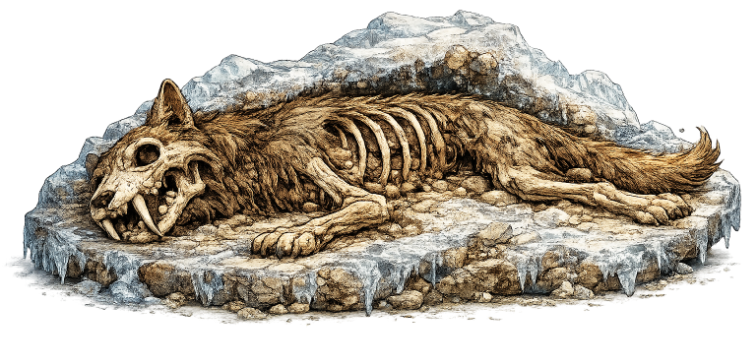
Cold can slow decomposition and preserve some of the skin and fur.
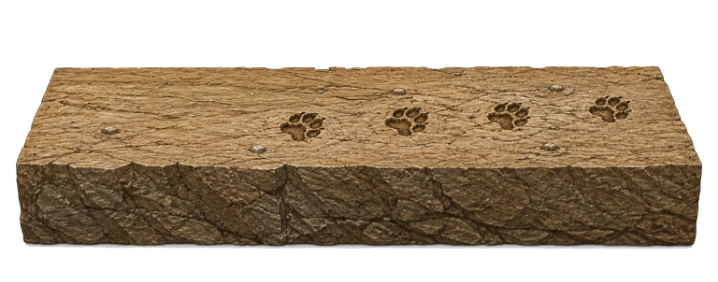
If the animal moves, it may leave behind fossil tracks.
Fossilized tracks carry much information about the life habits of animals (how they moved, if they lived in groups, etc.)