As you have seen, the Earth’s history is so long that it is hard to really grasp how much time passed between the events that shaped it.
Ages are given in millions of years (Ma) or billions of years (Ga)
As you have seen, the Earth’s history is so long that it is hard to really grasp how much time passed between the events that shaped it.
Ages are given in millions of years (Ma) or billions of years (Ga)
Interactive timeline: Earth’s 4.55 billion years compressed into a single 24-hour day. Each step presents an event in Earth’s history and the time it falls on that day, shown on the timer. Use the Previous and Next buttons to move from one step to the next.
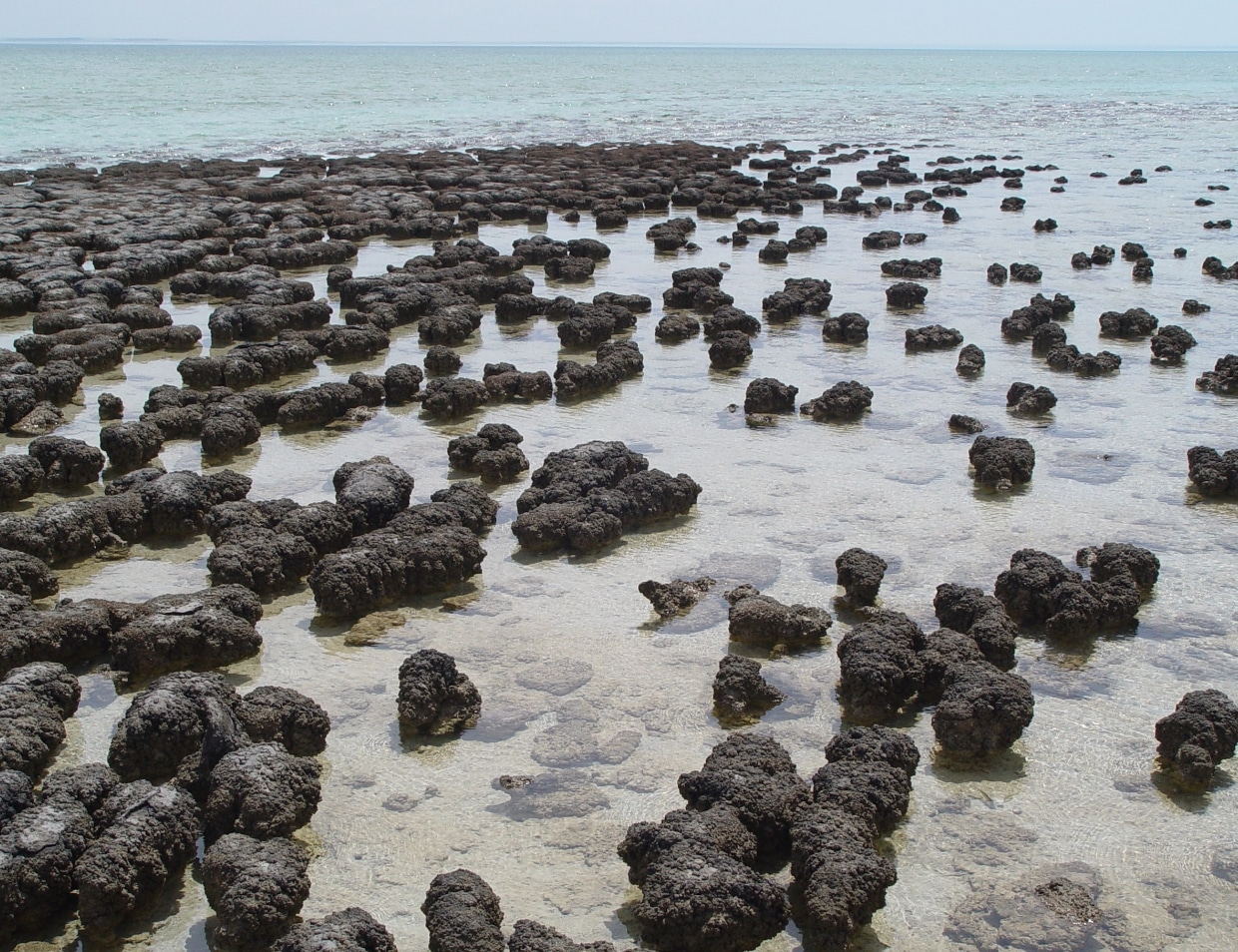
Did You Know?You can still see living stromatolites in a few places on the planet, for example at Shark Bay in Australia. There, you can see the structures built by these microbial life forms. The fact that we can still see them today means that stromatolites “survived” 5 mass extinctions.
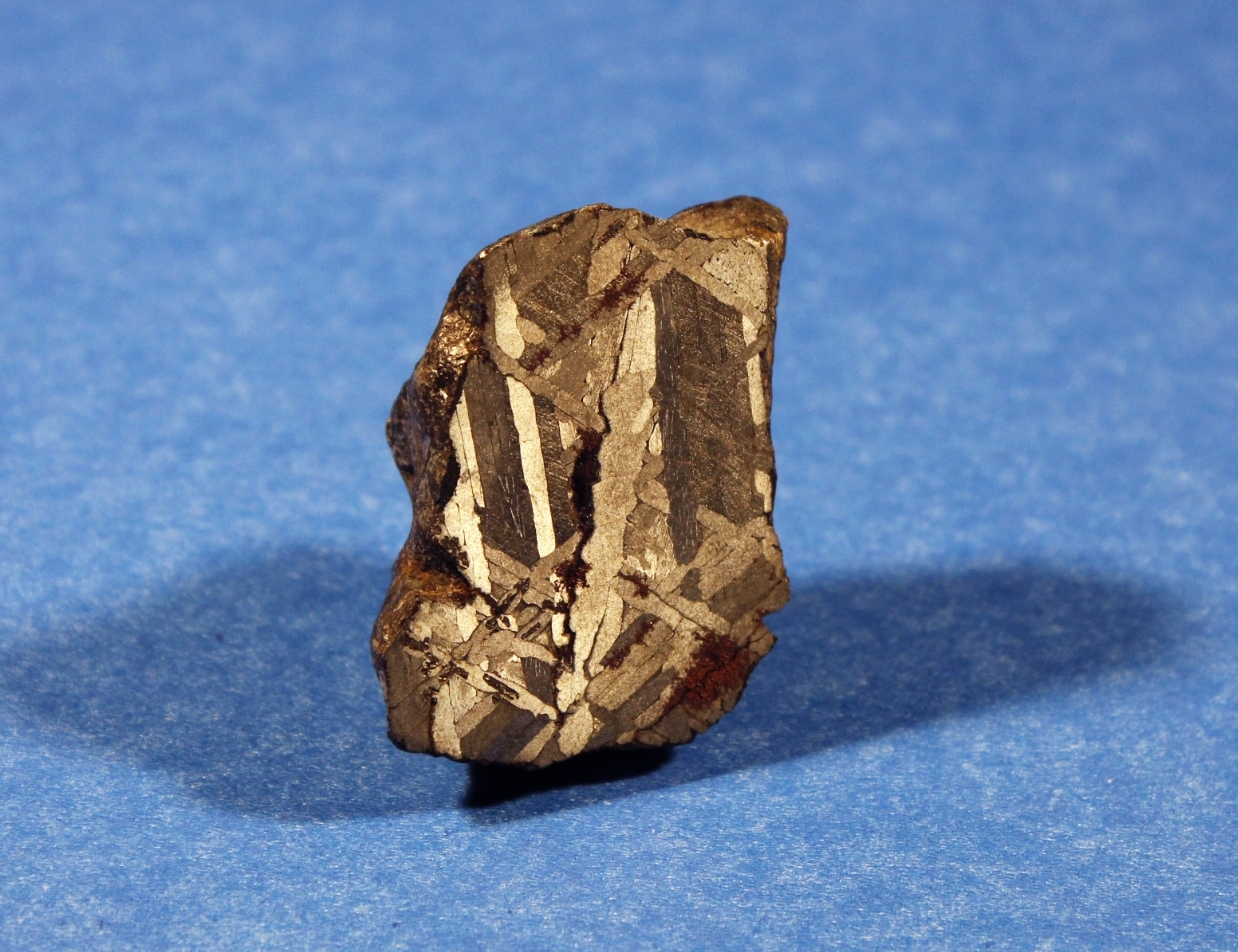
Did You Know?Meteorites from the asteroid belt are extremely old. Most of them date back to the formation of the Solar System, about 4.5 to 4.6 billion years ago. Many of them come from rocky or metallic debris from the primordial nebula that never clumped together to form a planet.
Did You Know?
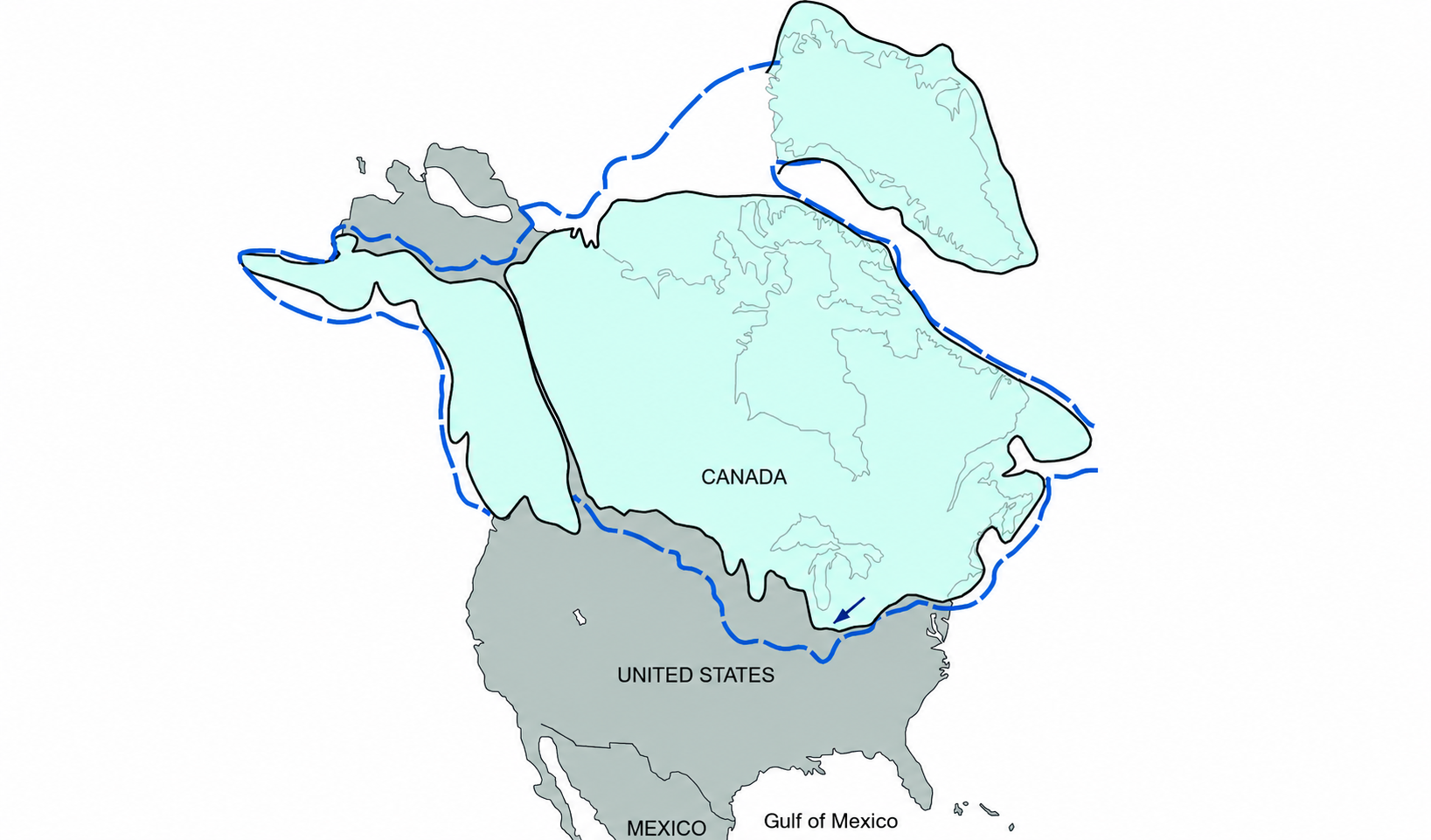
Did You Know?Over the last 2.5 Ma, North America went through four glacial episodes. The most recent one is called the Wisconsin glaciation. It reached its largest size about 18 ka ago. As this glacier melted and flowed, it greatly reshaped the land. At its peak, Quebec City was covered by 3 km of ice.
First Homo sapiens: 300 ka, at 23 h 59 min 54 s
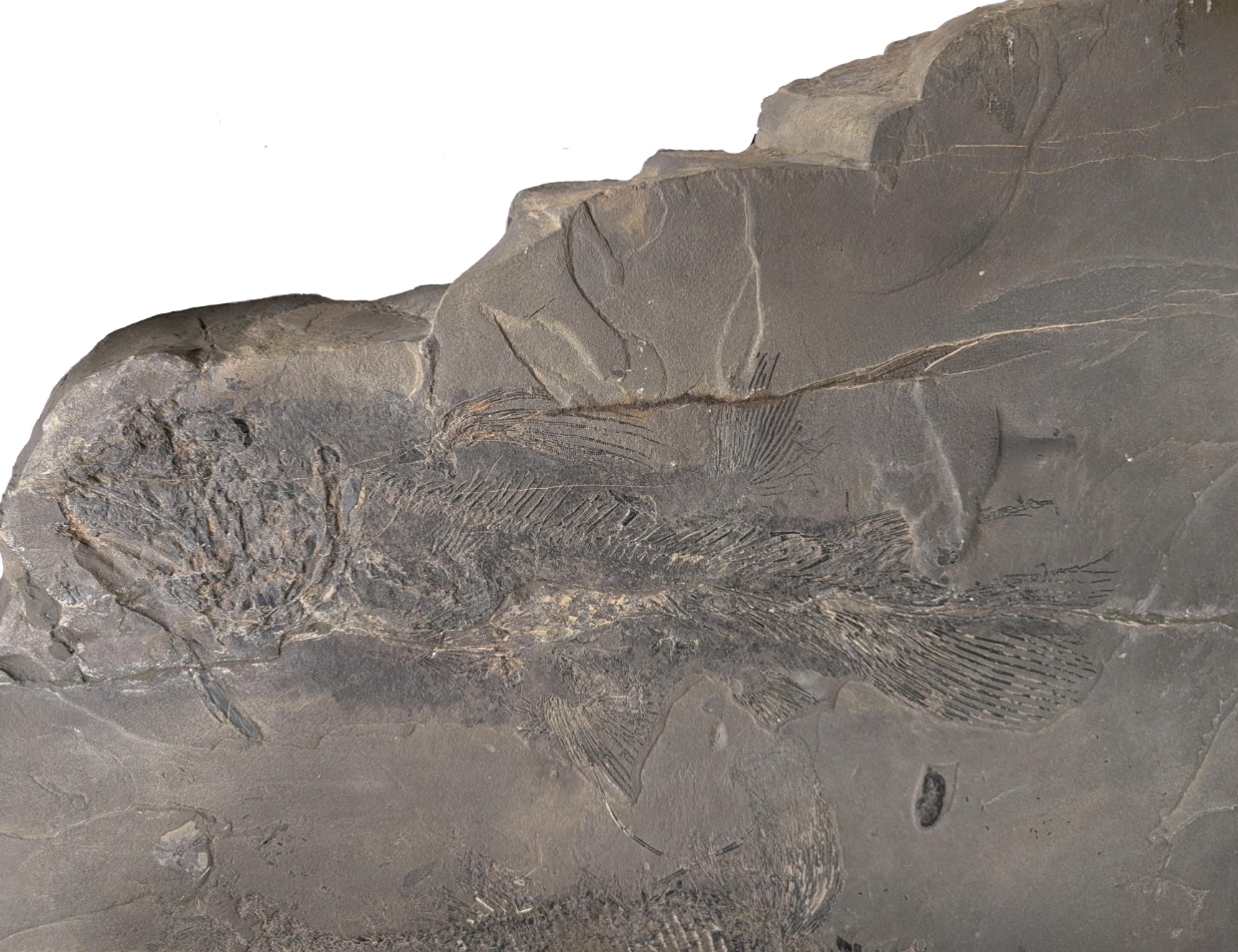
Did You Know?The coelacanth is a fish known as a “living fossil.” It was caught in 1938 after scientists believed it had been extinct for 66 million years. Its unique fleshy fins hint at how vertebrates evolved toward life on land.
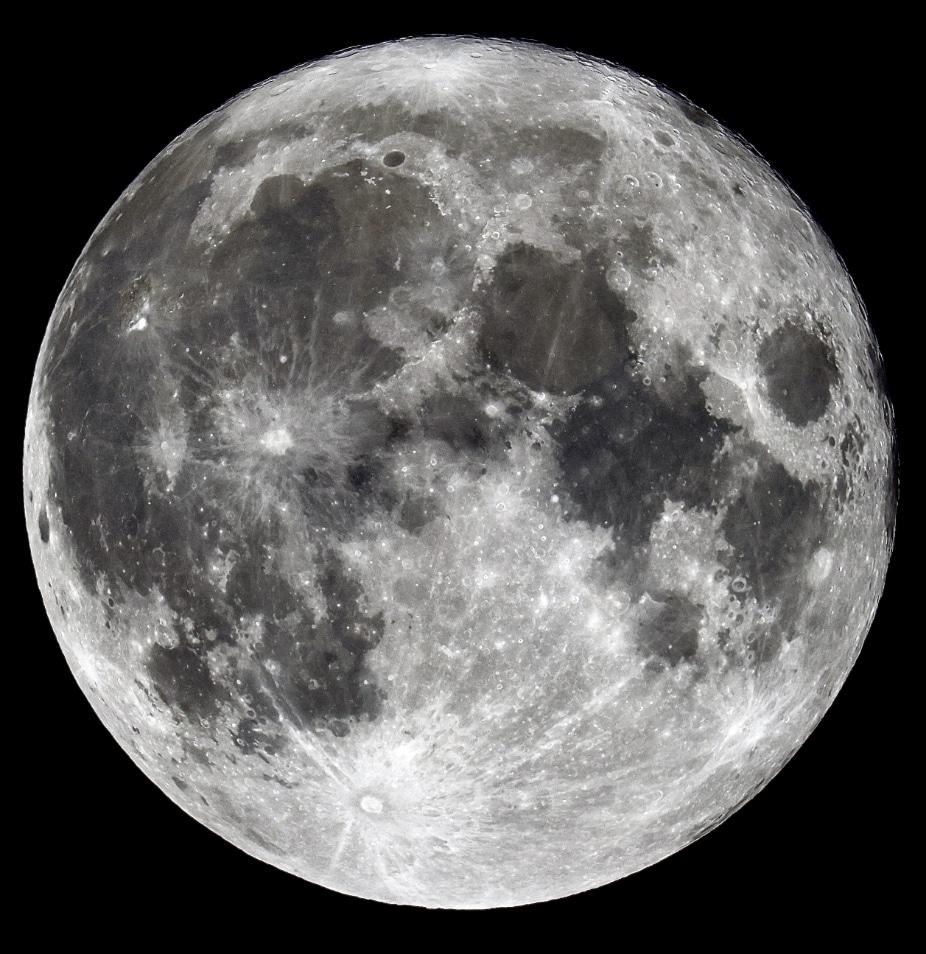
Did You Know?Our only natural satellite, the Moon, formed after a small planet crashed into Earth early in its history.
The arrival of the Moon tilted the Earth, which gave us the seasons, and the Moon’s pull is also what causes the tides.
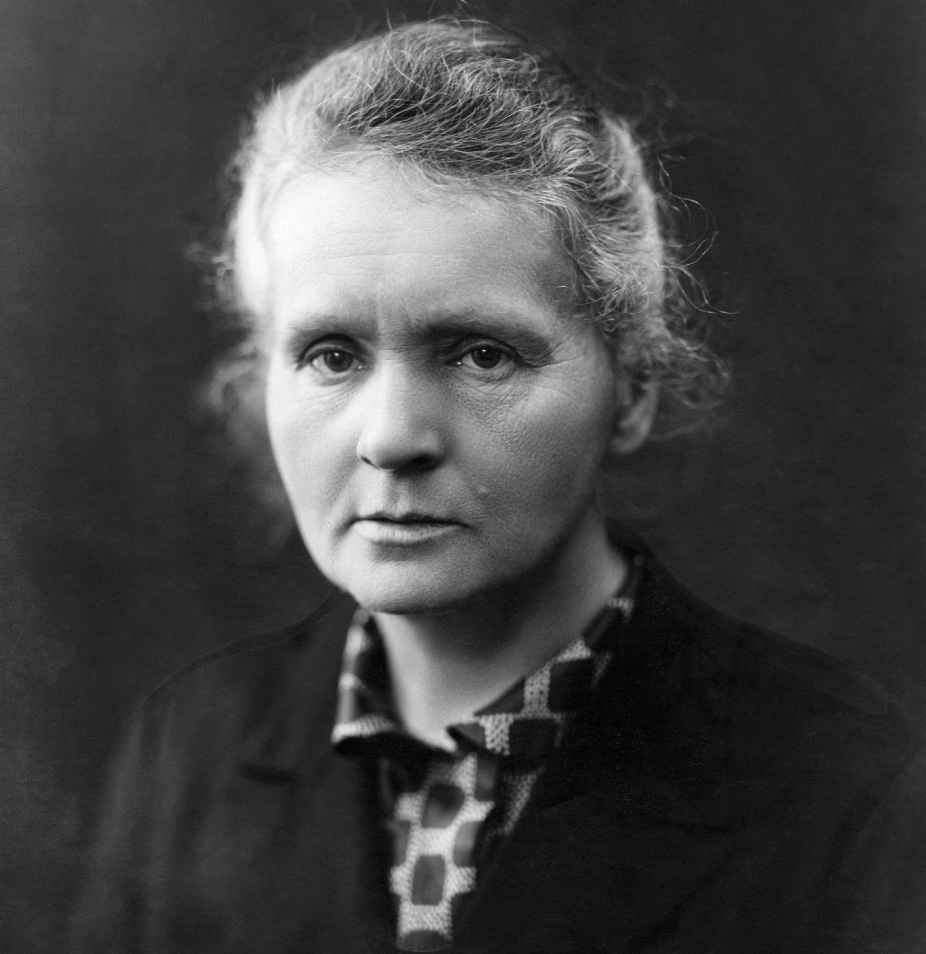
Did You Know?Radioactivity was discovered by Marie Curie. This discovery made her the first woman to win a Nobel Prize (Physics, 1903). She was also the first person to win a second one (Chemistry, 1911).
Source: Wikipedia