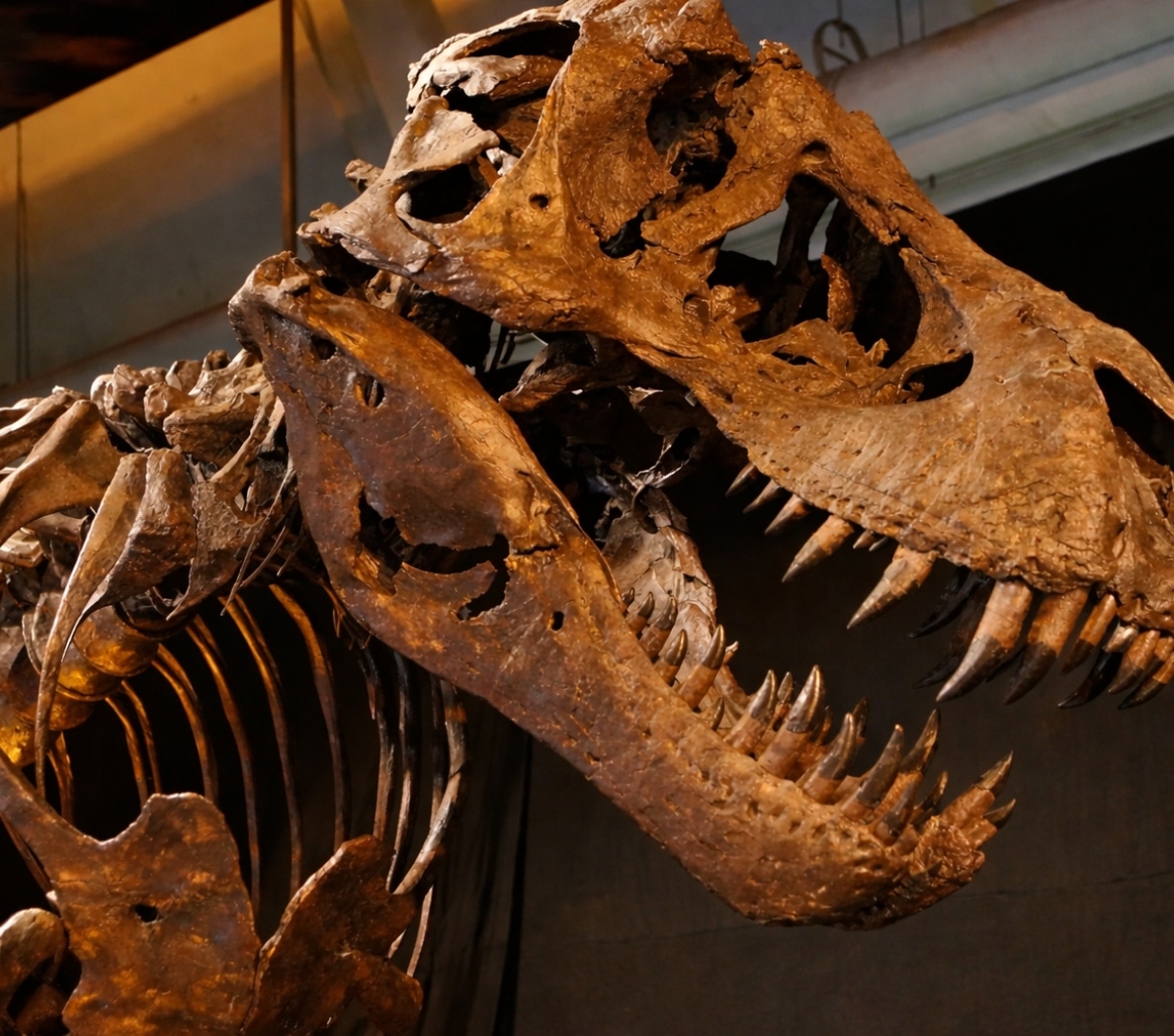
Geologic Time Scale

Rocks and minerals are the only witnesses left to help you understand our planet’s eventful history. By studying rocks and fossils, geologists have divided Earth’s history into eras, periods and epochs, based on the major upheavals the planet has gone through.

These divisions make up the geologic time scale
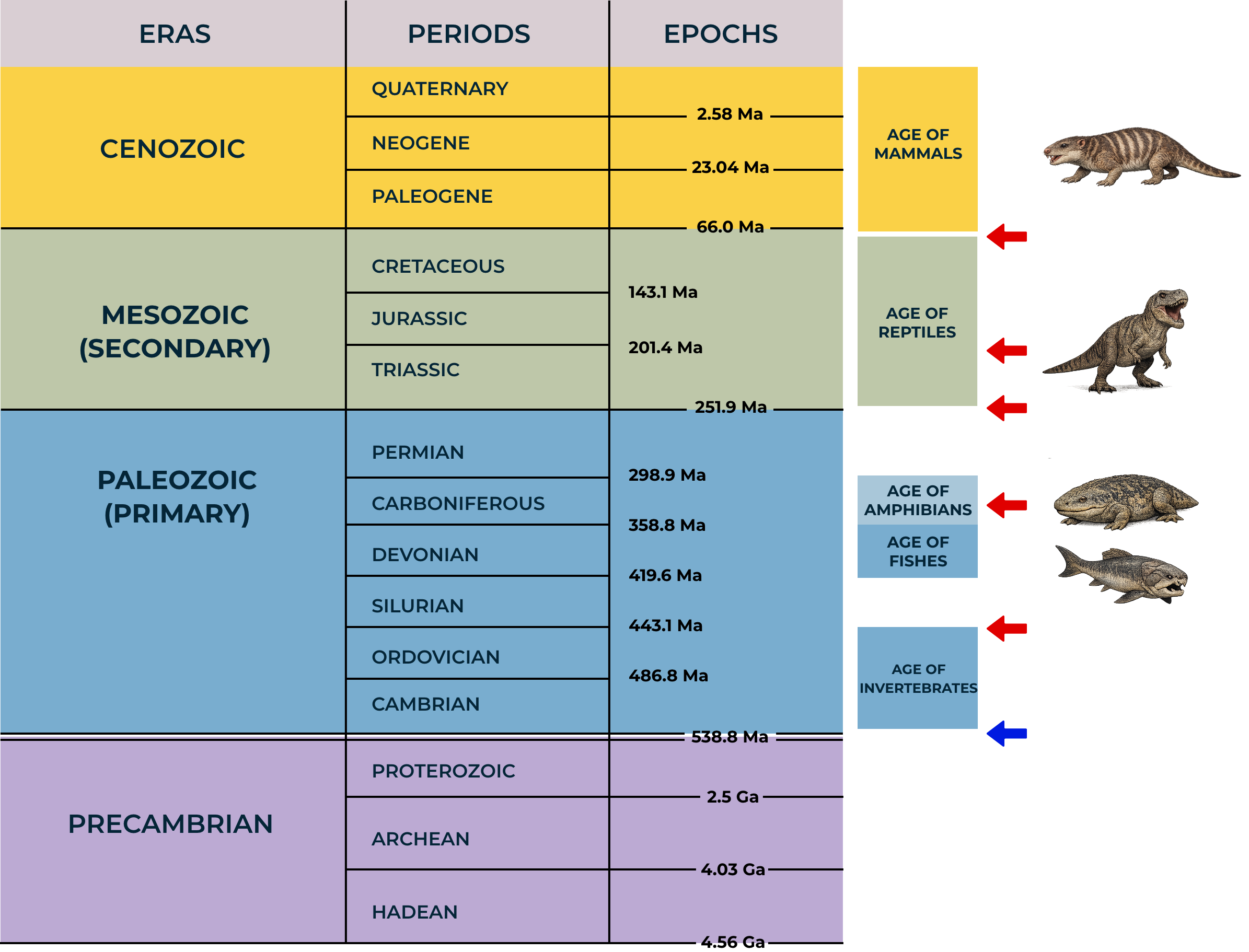
A chart of the geological timescale, divided into eras (Precambrian, Paleozoic, Mesozoic, Cenozoic), periods, and epochs, with ages given in millions or billions of years. Red arrows indicate mass extinction events, while a blue arrow marks the emergence of complex life during the Cambrian period. Illustrations of animals representative of each era, such as a jellyfish, fish, amphibian, dinosaur, and mammal, are associated with each period.

The ages in this table are given in millions of years (Ma) or billions of years (Ga)

Many divisions of geologic time are based on the appearance or disappearance of living species. That is why there are more divisions after 544 million years ago (the start of the Cambrian period), when complex life appeared.
(blue arrow on the right of the table).

Red arrows mark mass extinctions, when a large proportion of living organisms disappear in a very short period of time.

The last great extinction

Dinosaurs went extinct 66 million years ago, between the Cretaceous and Tertiary periods, due to the impact of a meteorite that is believed to have struck in the Gulf of Mexico, near the Yucatán Peninsula.
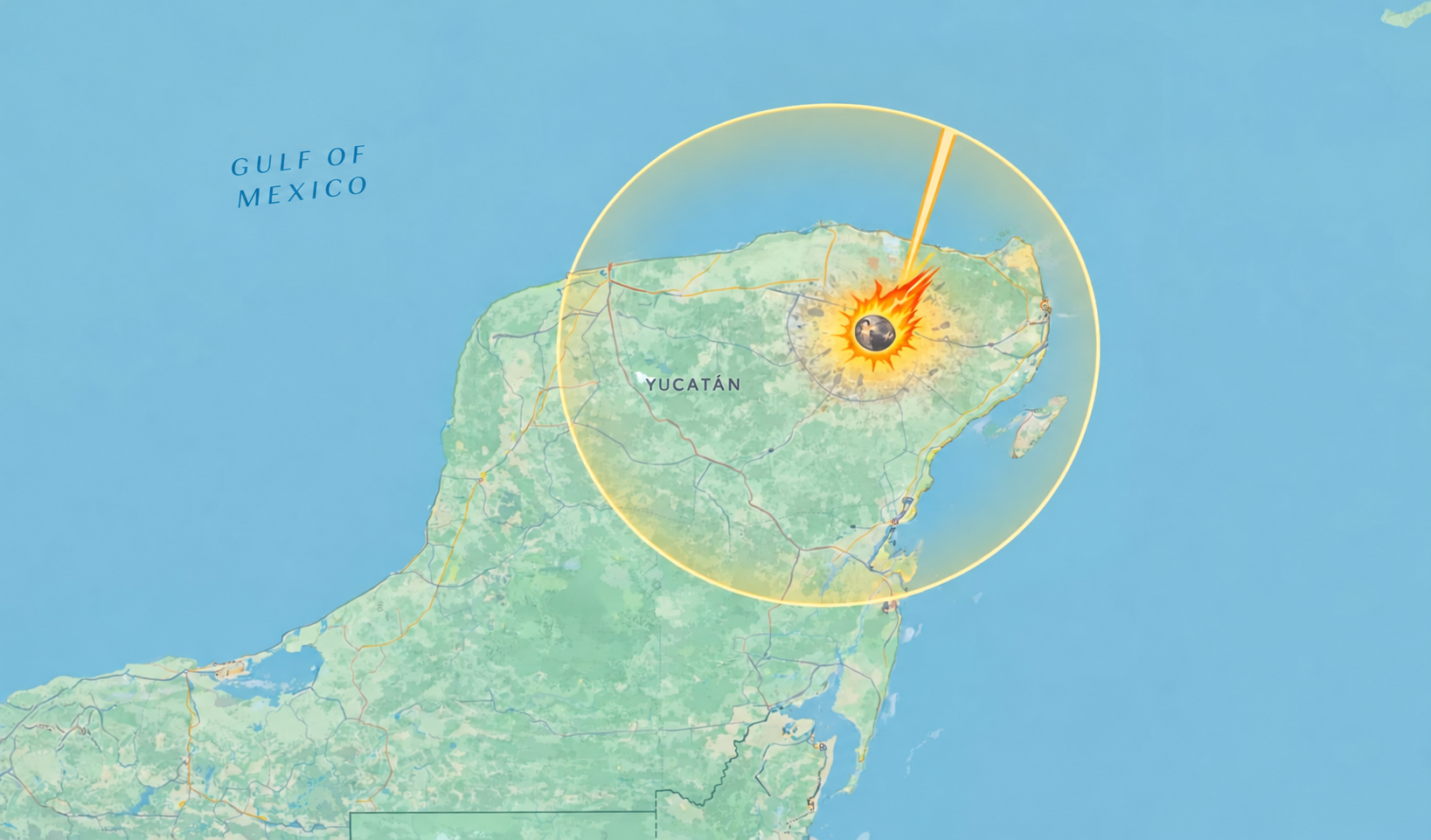
Map illustrating the impact of the Chicxulub meteorite on the northern Yucatán Peninsula 66 million years ago, with a circular impact zone in the Gulf of Mexico

Map showing the impact of a meteorite in the Chicxulub area, north of the Yucatán Peninsula,
about 66 million years ago. This event is linked to a mass extinction of species, including the dinosaurs.
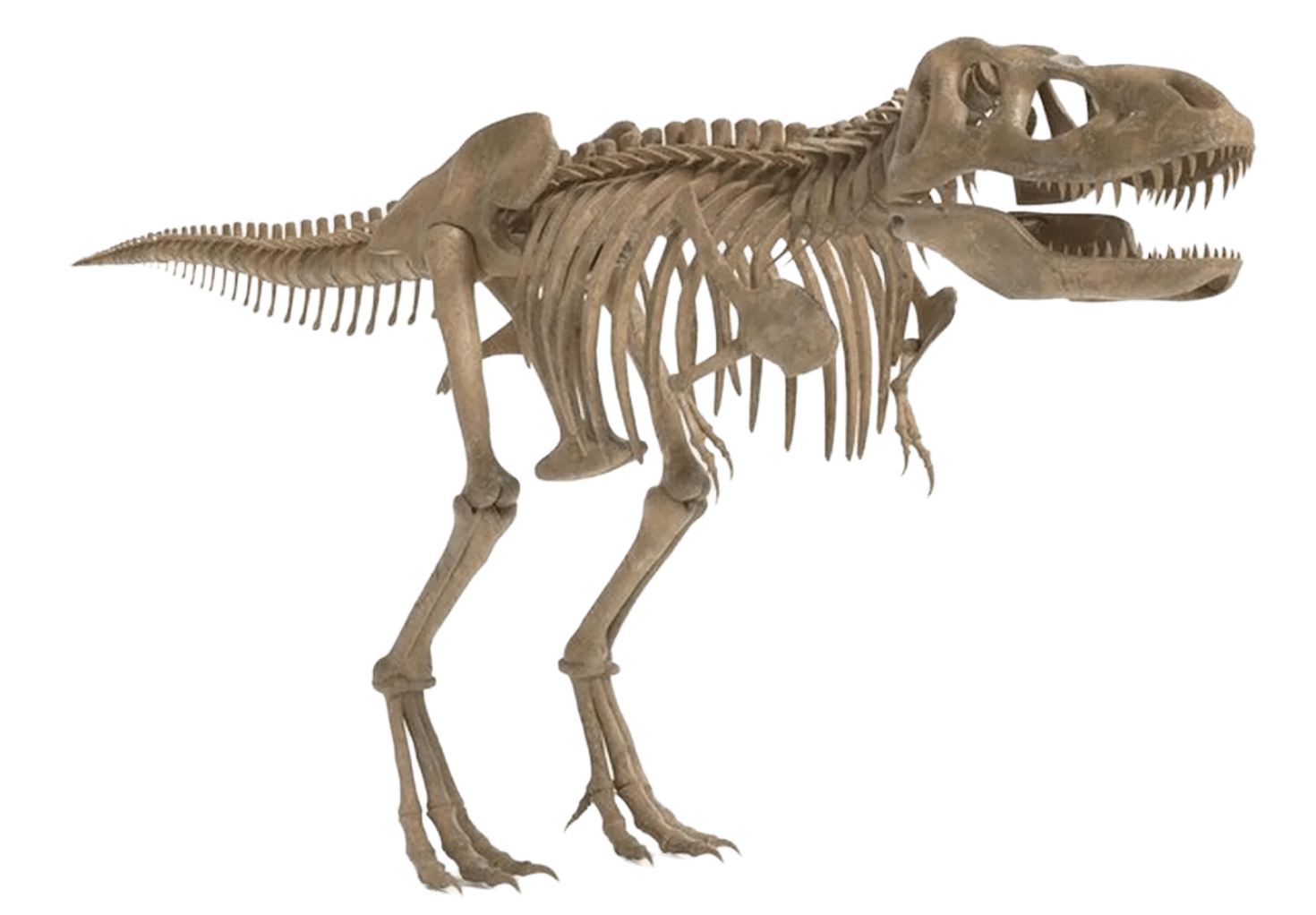

Reconstructed skeleton of a Tyrannosaurus rex
A planet with a question mark

Did You Know?

The T. rex lived closer to us in time than it did to the Stegosaurus!

3

Go to the next step

Fossilization