
Natural
Compounds that belong to the solid parts of the universe
The solid crust of a planet, or of meteorites
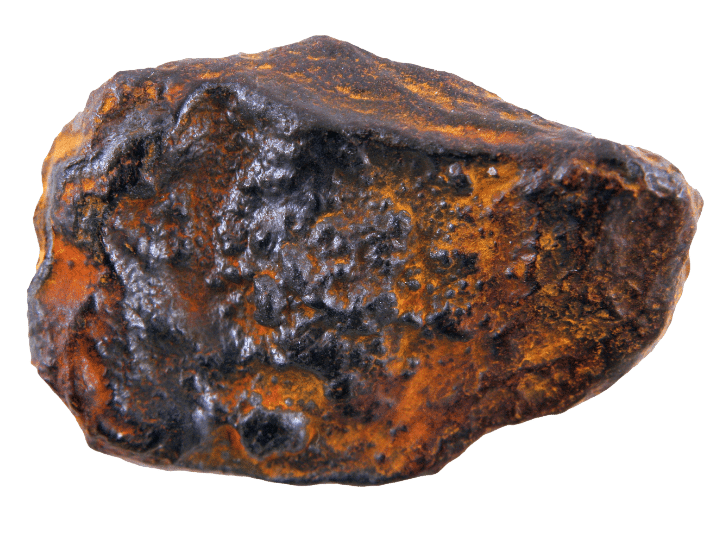
Here is mineral material from the asteroid belt between Mars and Jupiter. It is a meteorite. The crystals that make up this specimen are minerals.
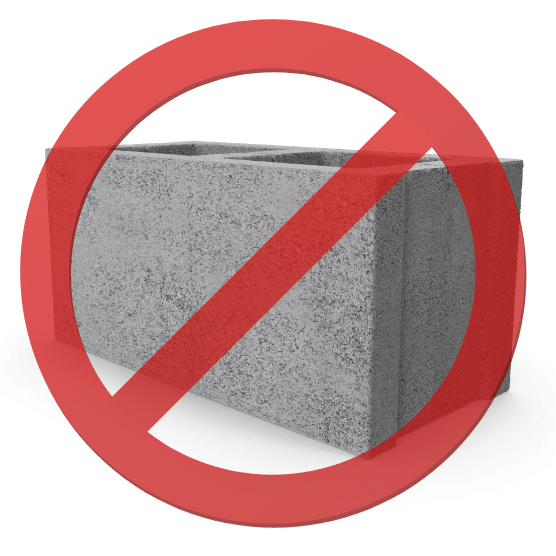
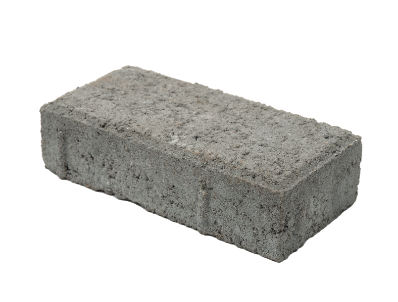
Even though concrete is mostly made of mineral matter, it comes from industrial processes.
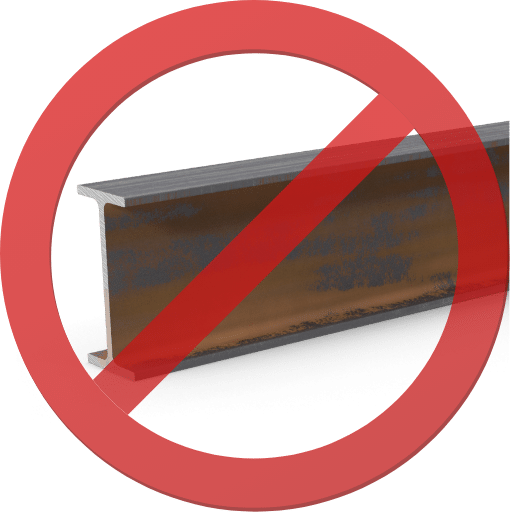
Steel and the other metals or alloys we use, which our modern society depends on, come from minerals, but they are made through a refining process.

Did You Know?
Solid
A mineral cannot be a gas or a liquid
Mercury (Hg) is an exception: it is found as a liquid in nature, but it is still considered a mineral, even though it only becomes solid below -39 °C.
Liquid mercury at room temperature
– YouTube source: Il est fou, ce Timon !
Inorganic
Must come from products that are not linked to living things.
Even though our bones and teeth have the same composition as a mineral, hydroxyapatite – Ca5(PO4)3OH, they cannot be considered minerals. The same goes for seashells, which are made of carbonates with the composition CaCO3 (calcite and aragonite).
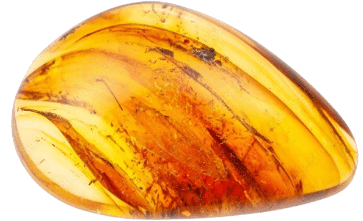
Amber, which is widely used as an ornamental stone in jewelry, cannot be considered a mineral either. In fact, it is fossilized tree resin, so it has an organic origin. Also, amber does not have the atomic arrangement (crystalline form) that is typical of minerals.


A defined and ordered chemical composition
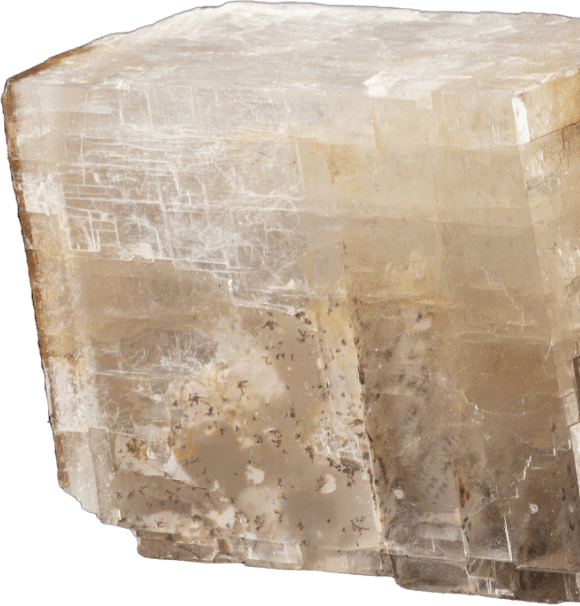
As we saw in the previous section, minerals have a well-defined composition and atomic architecture. However, it is important to note that some variation is allowed in this definition.
Take olivine, for example: its chemical formula is (Fe, Mg)2SiO4. Iron (Fe) and magnesium (Mg) are written in brackets because the amount of each of these two elements can vary in olivine crystals. In fact, iron and magnesium behave in similar ways chemically and can take each other’s place in the crystal structure. The chemical formula of some minerals is defined despite the fact that the proportions of certain elements can vary.

Did You Know?
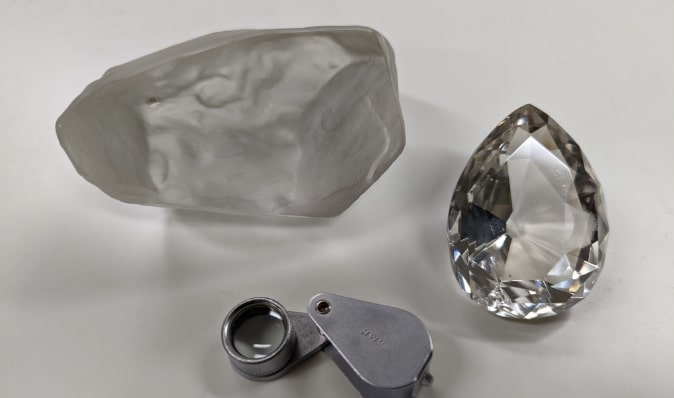
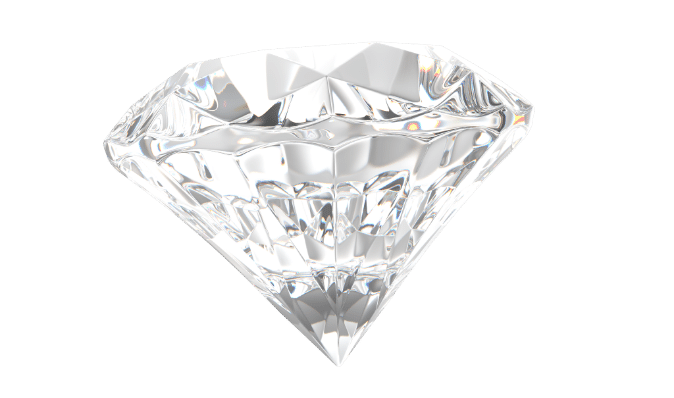
Diamond and graphite have exactly the same chemical composition.
Find the accessible version of this content on this page.
Homogeneous and made of a single phase
- Cannot be separated mechanically
- One phase: a uniform body
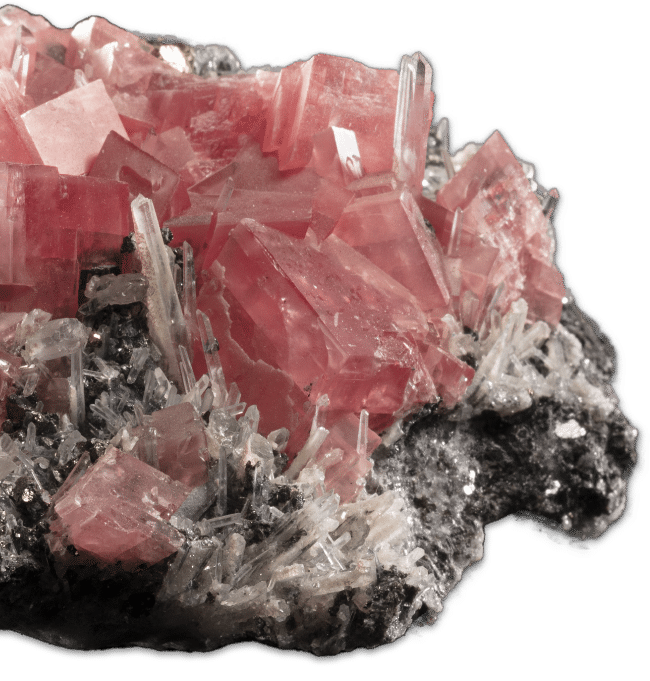
This is actually the difference between a rock and a mineral: a rock is made of several mineral phases, so it is heterogeneous. You can separate the different minerals that make it up by crushing it.
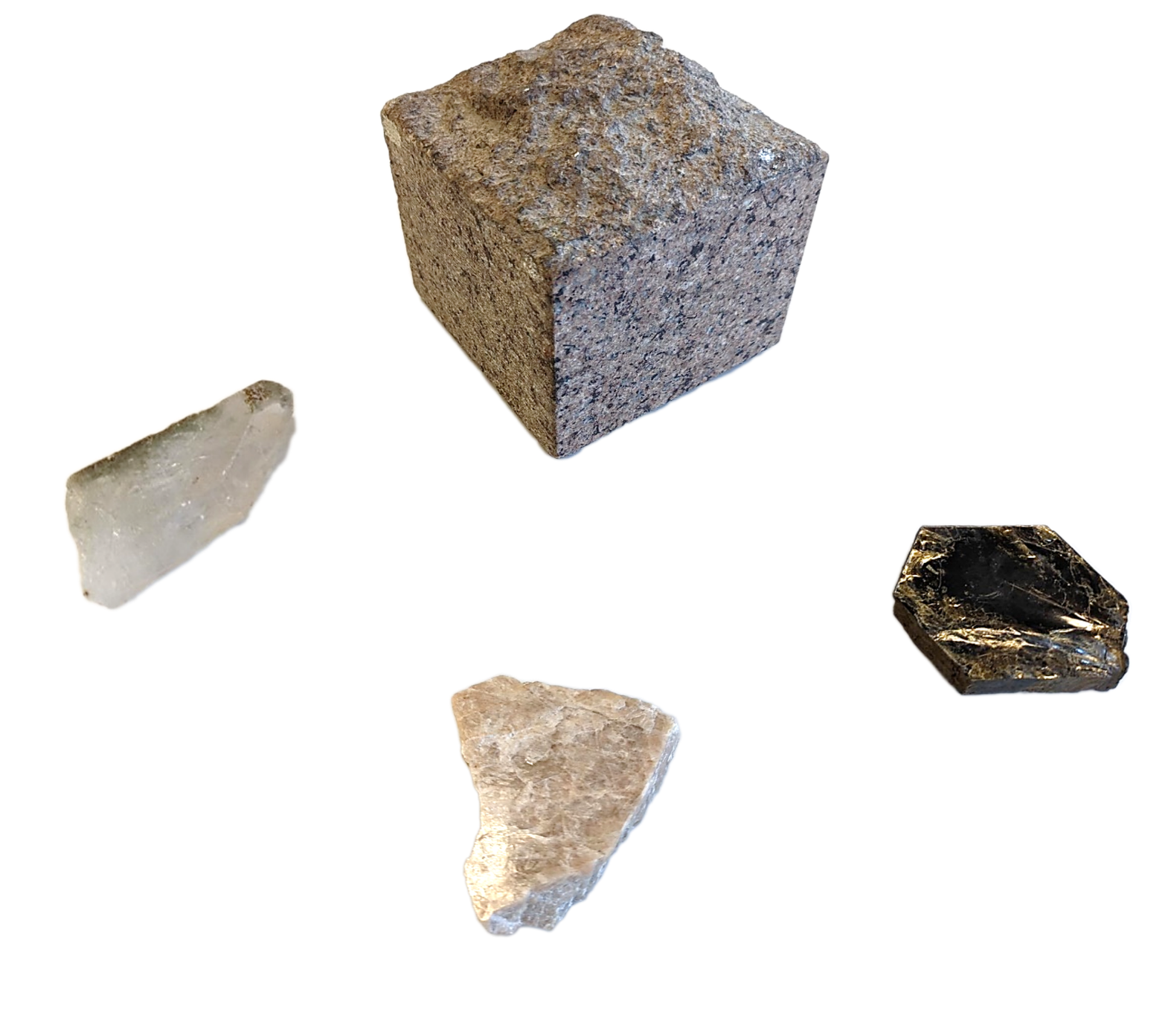
The granite block is mainly made of quartz, feldspars and biotite.