






Energy Resources
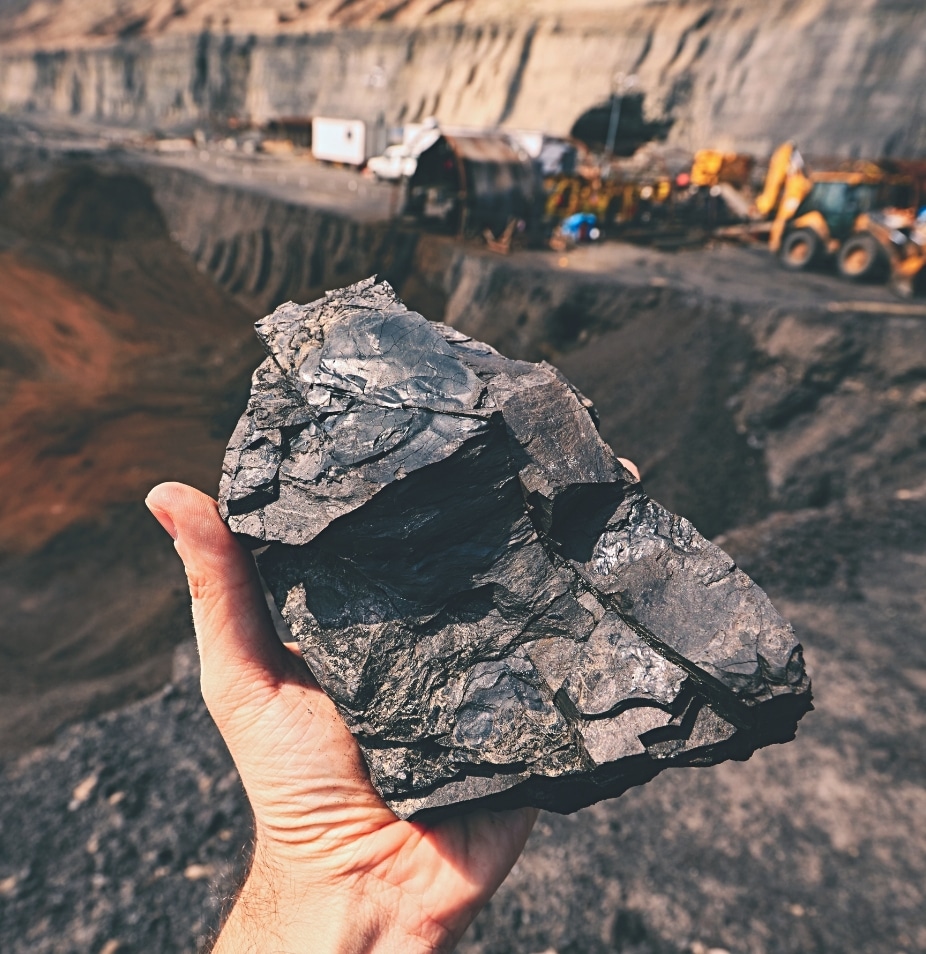
Besides oil, natural gas and coal, which are called fossil fuels, some minerals are used to produce energy or to store it.
In fact, the transition to greener energy that limits greenhouse gas emissions such as CO2, which contributes to global warming, depends on certain mineral resources.
For example, nuclear energy is produced by the fission of uranium, which comes mainly from uraninite.

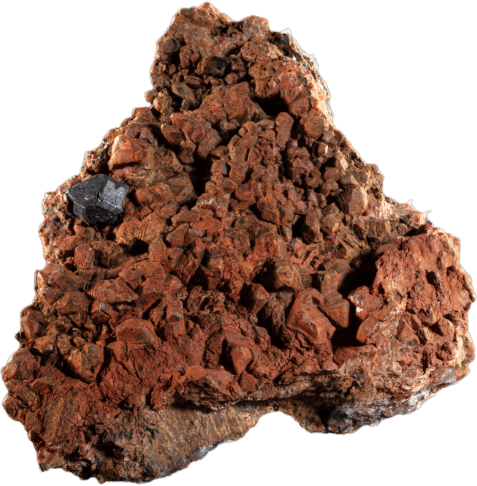
Uraninite Bancroft, Ontario (13 cm).
Donated by Jean-Charles Sissi.

Did You Know?
About 10% of the world’s electricity is produced by nuclear power.
How does nuclear
energy work?
Nuclear energy is produced by the fission of uranium.
A neutron strikes a uranium nucleus, which is very large, and splits it in two.
This produces two smaller atomic nuclei, energy and three more neutrons, which can in turn cause nearby uranium nuclei to split.
The energy released by this reaction is what is used to produce electricity.
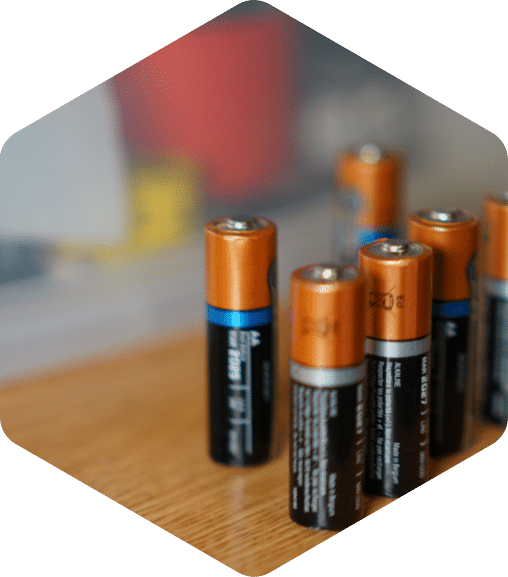
Batteries
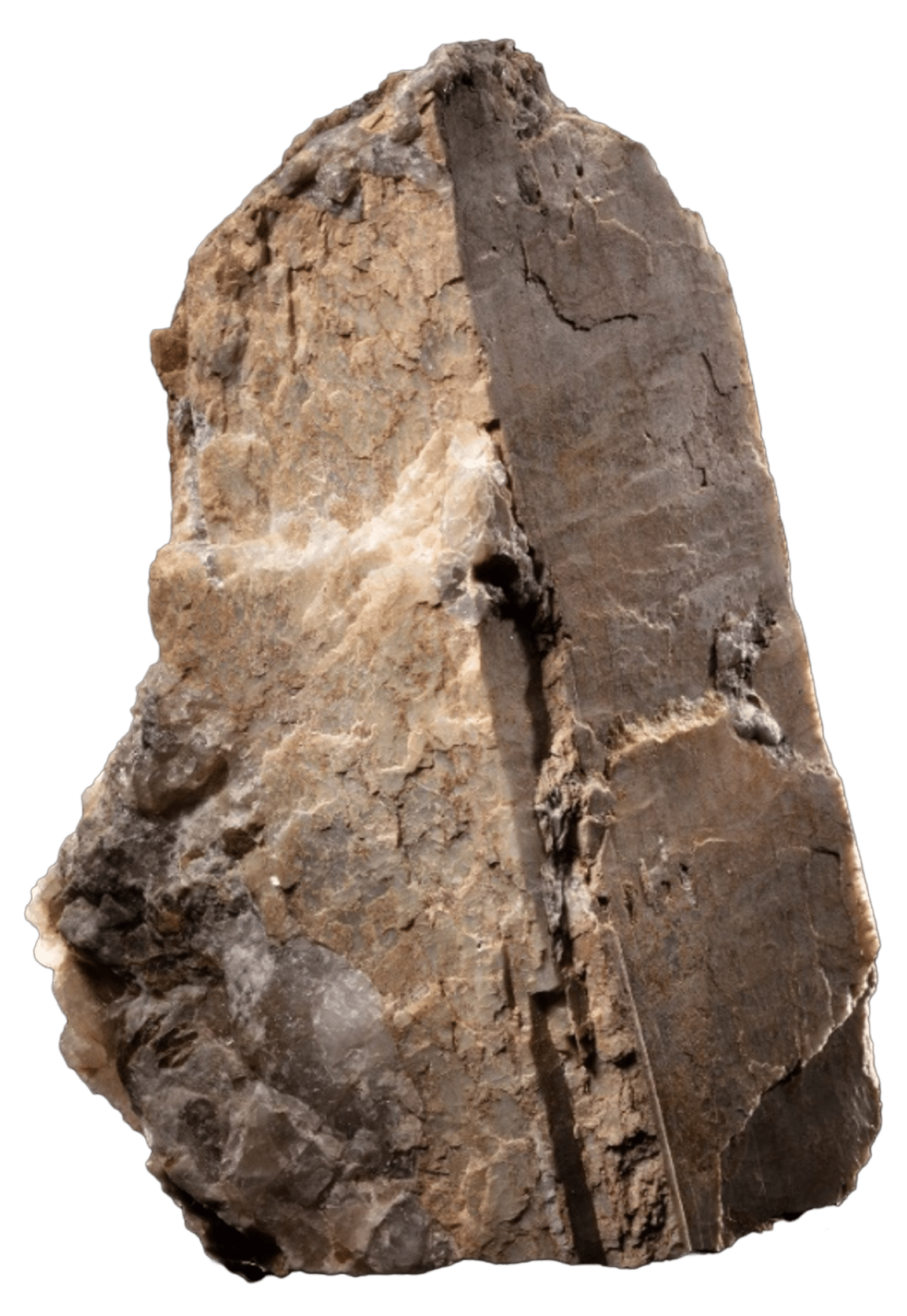
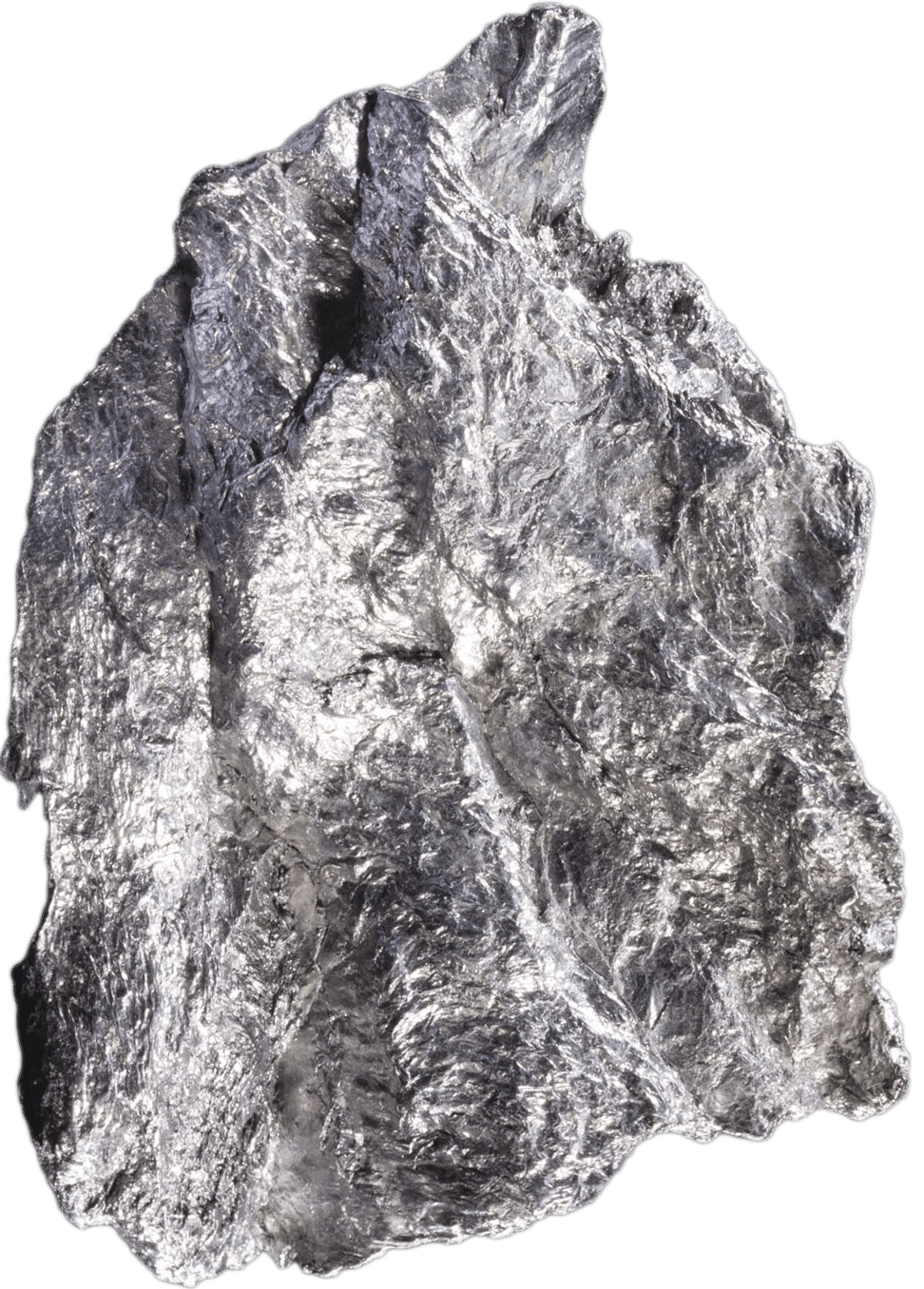
Spodumene, a mineral mined to produce lithium, and graphite are essential for making batteries, which store electrical energy.
Several dozen kilograms of lithium are needed to run an electric car.
 Did You Know?