
Luster
This property refers to the way light is reflected by the surface of the mineral. There are two main categories of luster:
Metallic
This is a very shiny luster, like that of metals. Think of the shininess of aluminum foil.
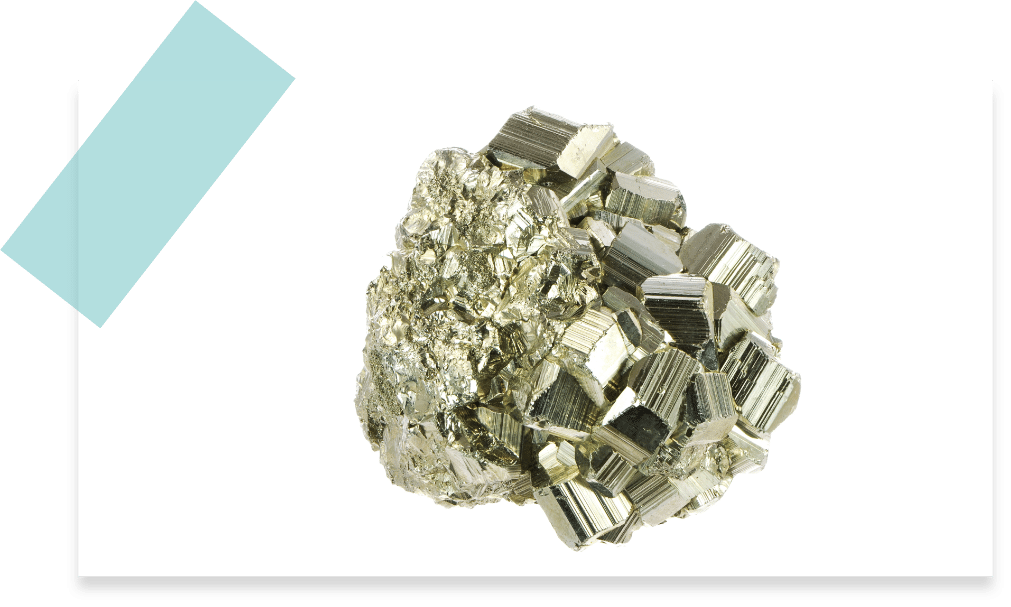
Pyrite = metallic
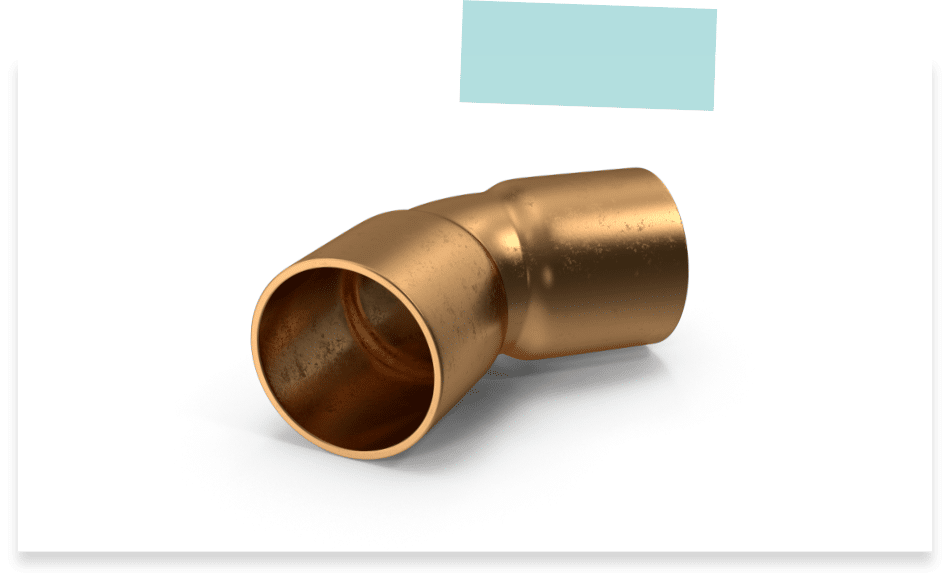
Copper
Nonmetallic
A luster that does not resemble that of metals. Minerals in this category have a luster that can be similar to glass; it can also be dull (earthy) or silky.
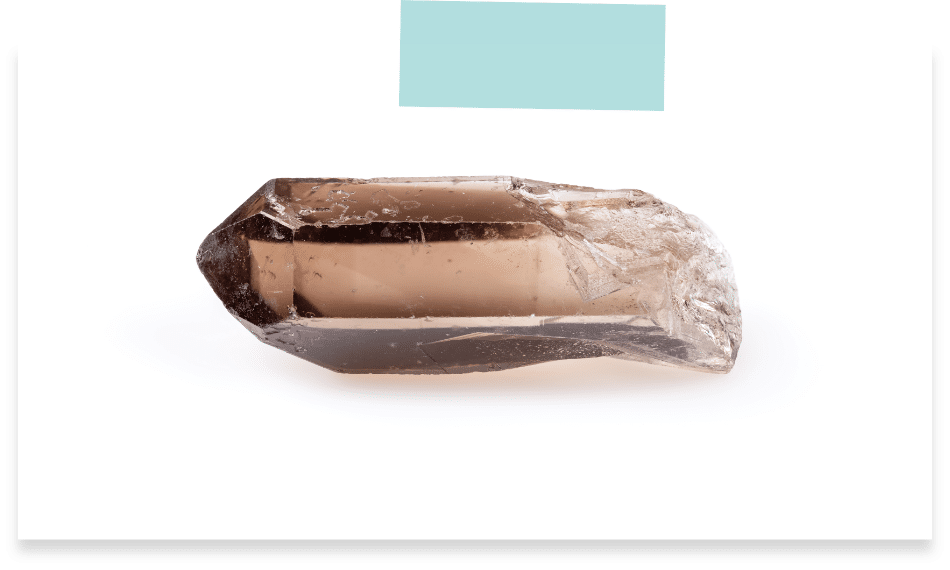
Quartz = nonmetallic,
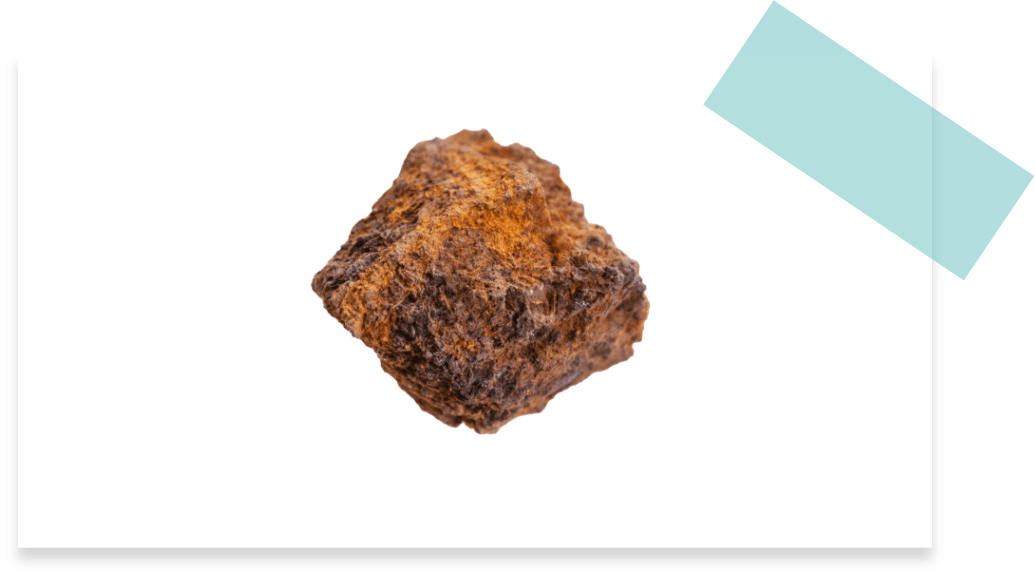
Limonite = nonmetallic
P.S.: Copper has a metallic luster, but quartz has a nonmetallic luster.
Colour and streak
The colour of a mineral is the colour observed on a fresh break of a massive specimen. A fresh break is used to avoid the alterations of colour on the surface caused by exposure to the atmosphere or to water.
Although some minerals have a characteristic colour, this property is misleading, because many minerals have a highly variable colour.
Here is the example of quartz:
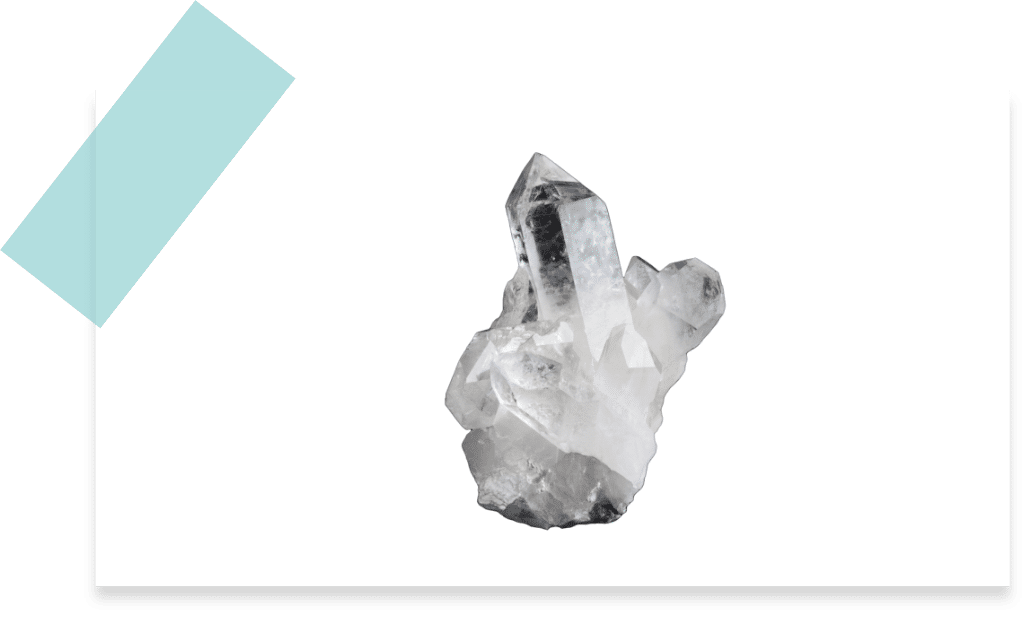
Translucent quartz
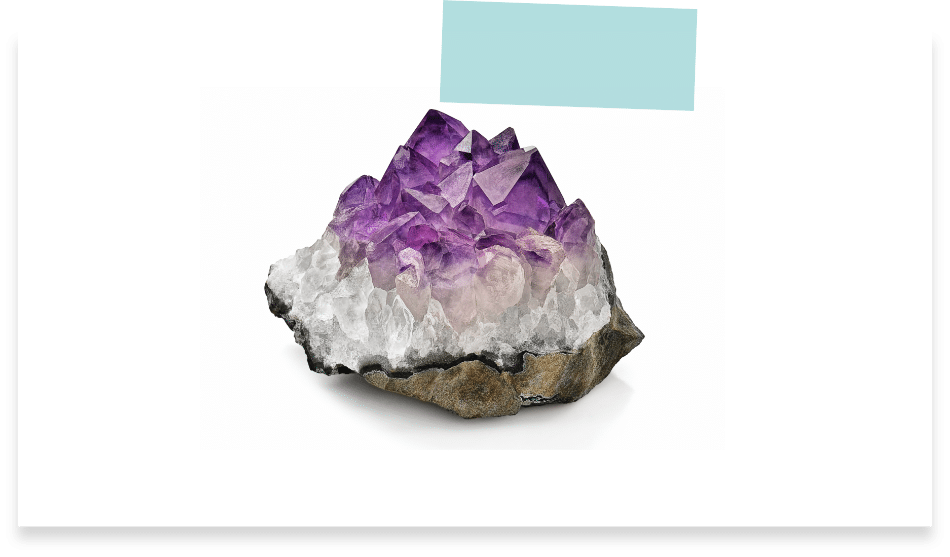
Quartz, amethyst variety
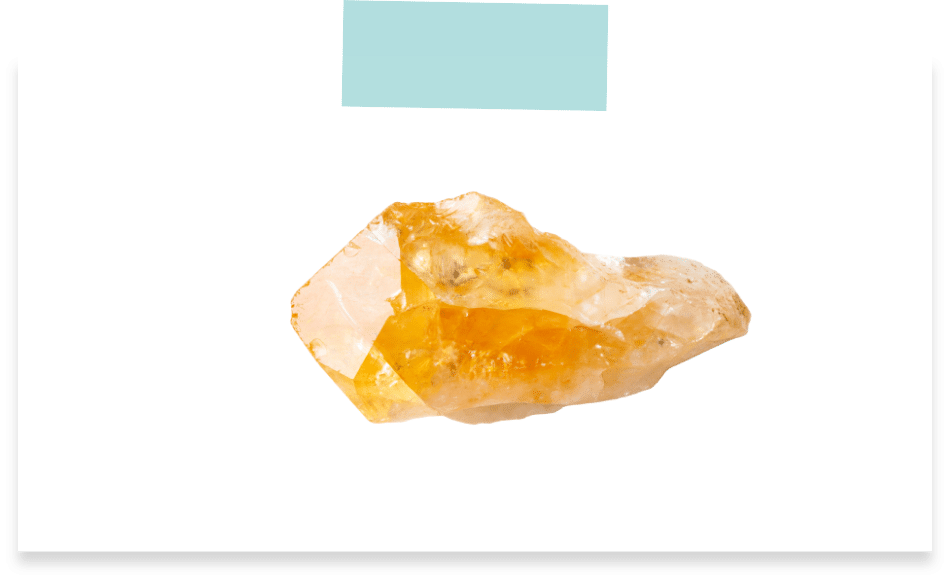
Quartz, citrine variety
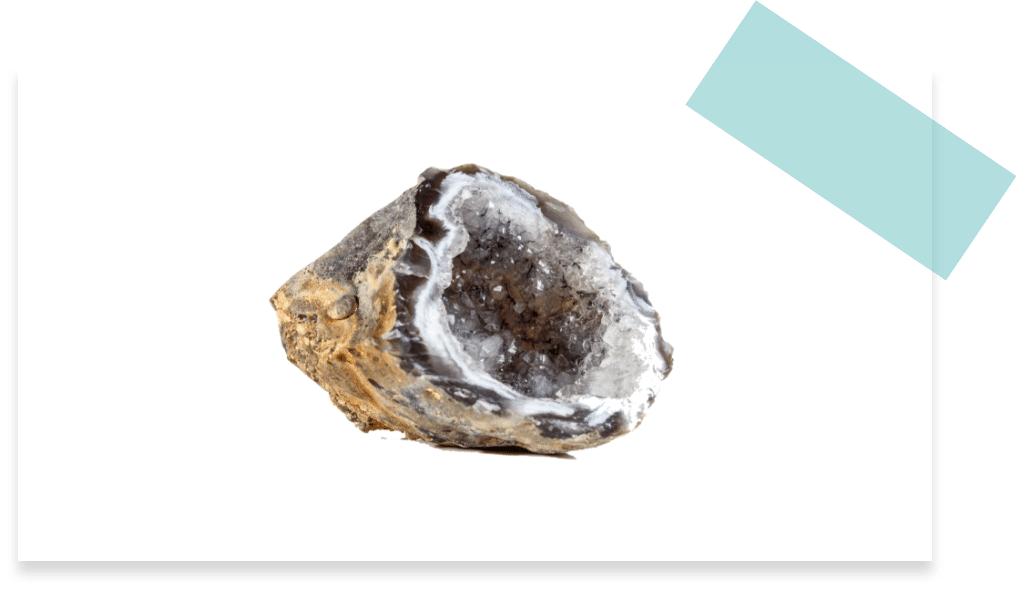
Smoky quartz
These crystals of different colours are all quartz.
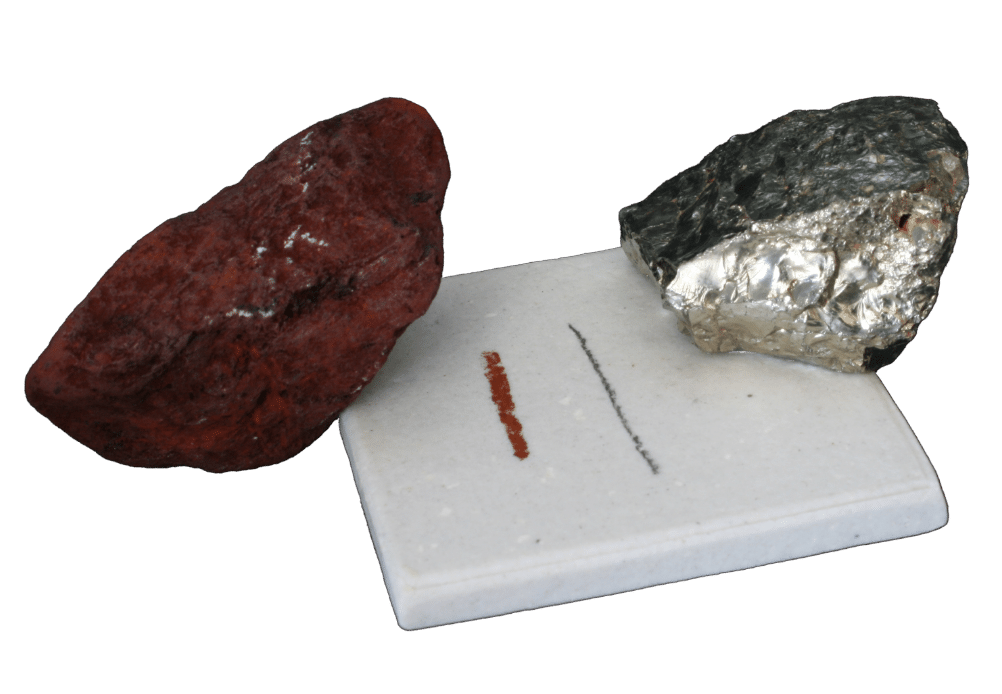
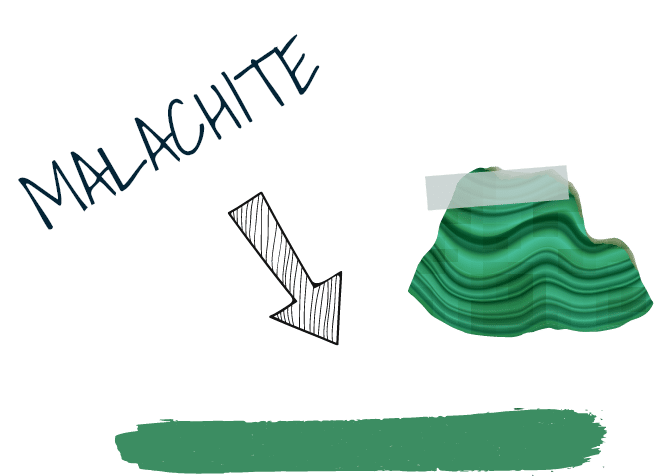
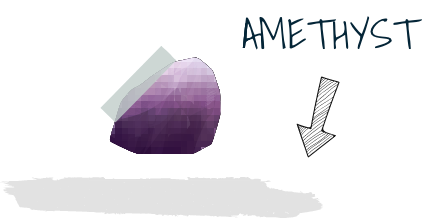
To avoid confusion caused by colour variations between specimens, geologists often use the streak to identify them. The streak is the colour of the mineral’s powder when it is rubbed on a porcelain plate.
Examples of streak for different minerals.
Density
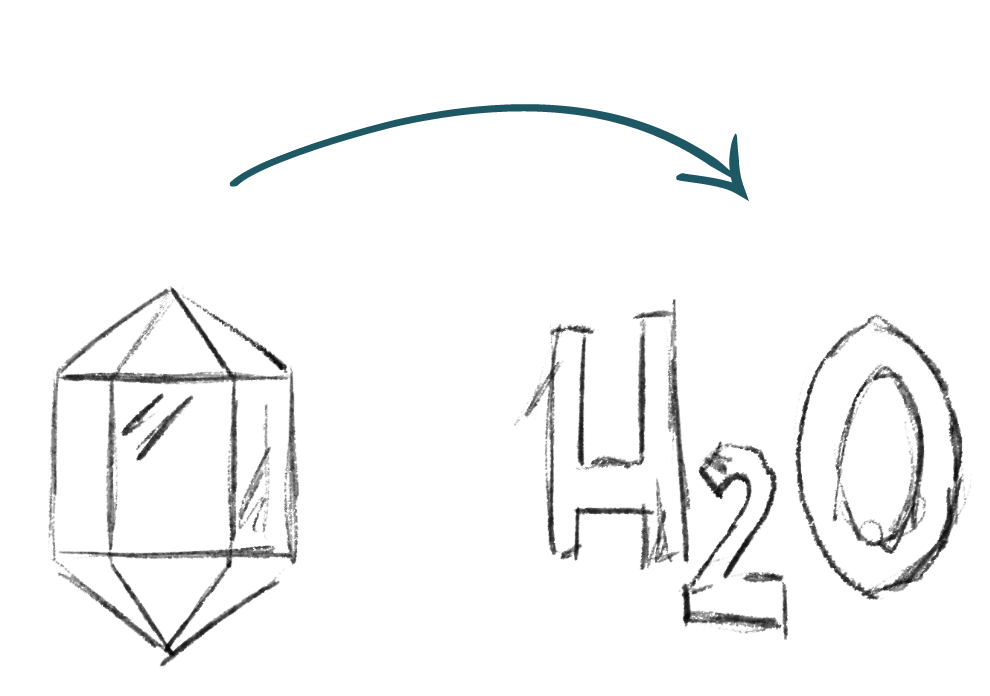
Density is the ratio of the mass of a given volume of the mineral to the mass of an equal volume of water.
Water has a density of 1. Quartz, which has a density of 2.7, is therefore 2.7 times heavier than water for the same volume.
For some minerals (those with a density higher than 4), you can tell they have a high density simply by handling them.
This property helps identify minerals that have a very high density, such as:
2.7 X heavier
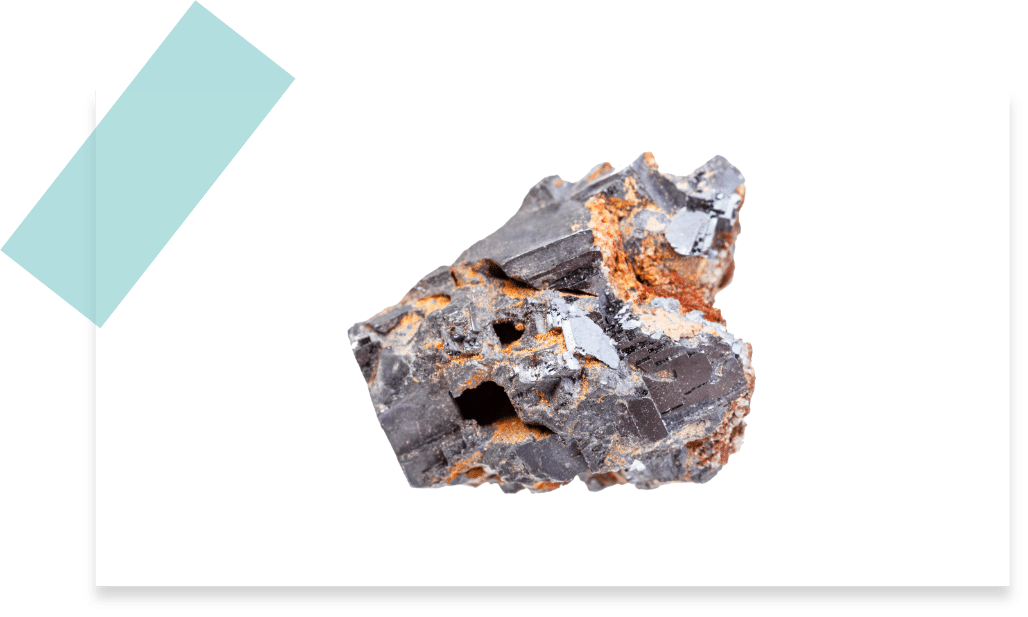
Galena (7.6)
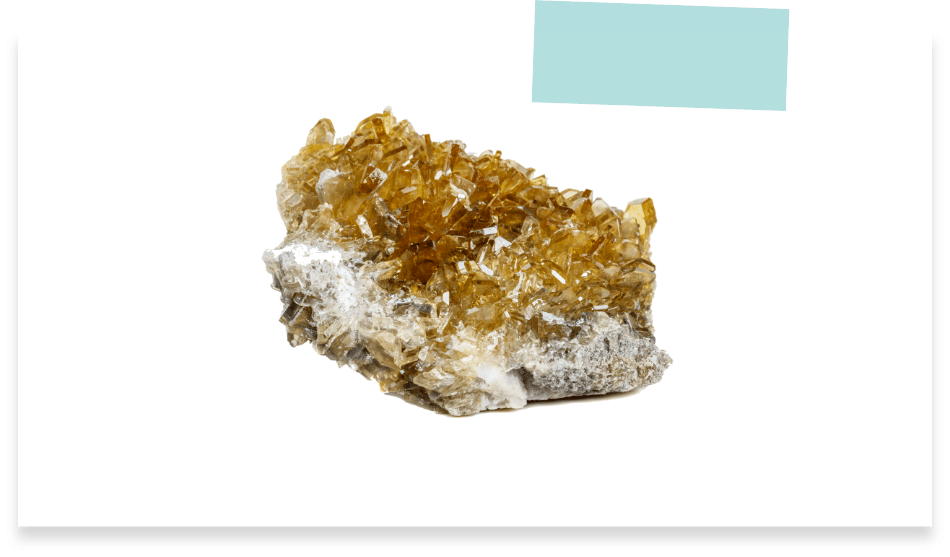
Barite (4.5)
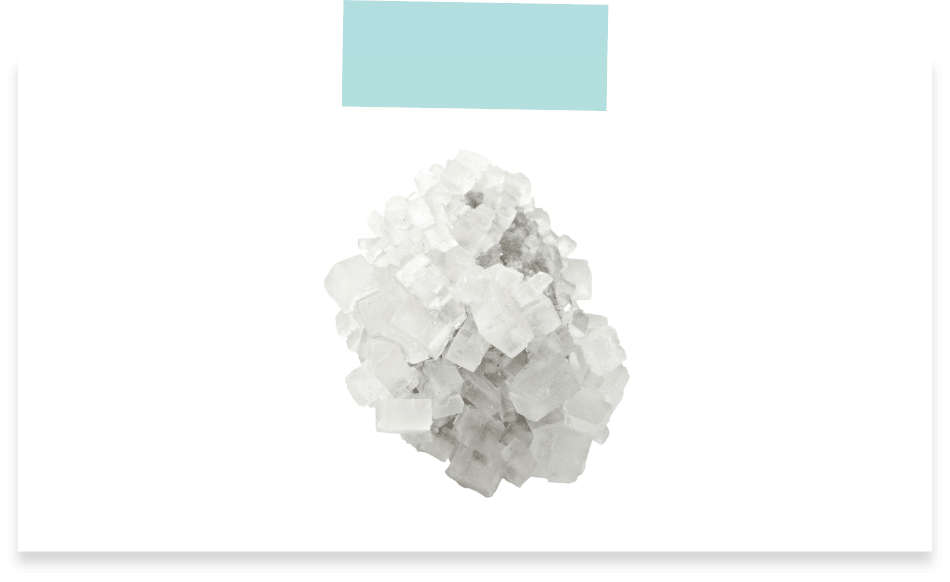
Halite (2.07)

Or very
low density
Fracture and cleavage
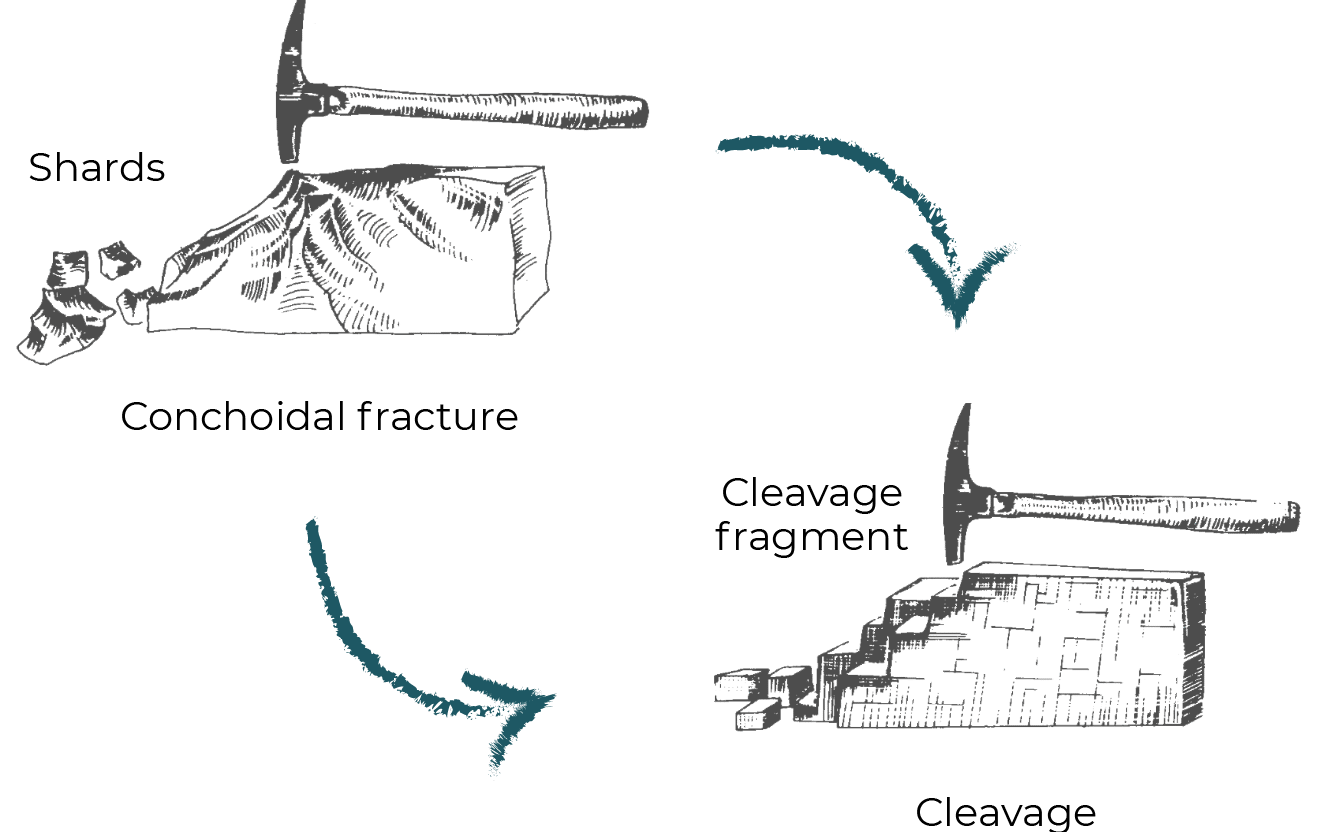
When hit with a hammer, some minerals tend to break along one or more planes oriented in one or more directions. These planes are directly related to the strength of the atomic bonds in the crystal structure. This is called cleavage.
A mineral with cleavage will, by preference, split along these planes, producing fragments with characteristic shapes. For example, when calcite breaks, it shows 3 cleavage planes organized in such a way as to form rhombohedrons.
On the other hand, quartz has no cleavage plane when it breaks: it forms shards with curved surfaces (a bit like the bottom of a glass bottle).
3 cleavages at 90°
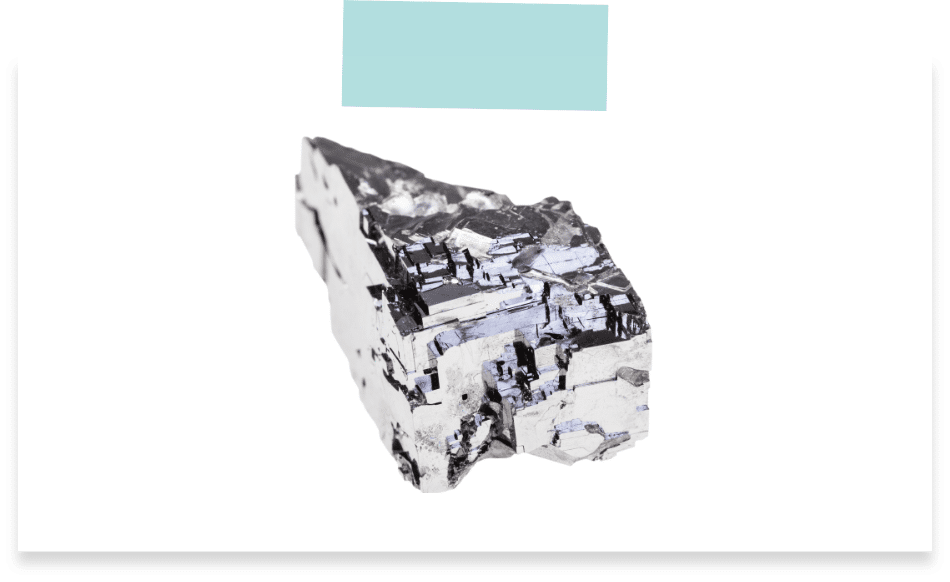
Galena
3 cleavages at different angles
of 90°
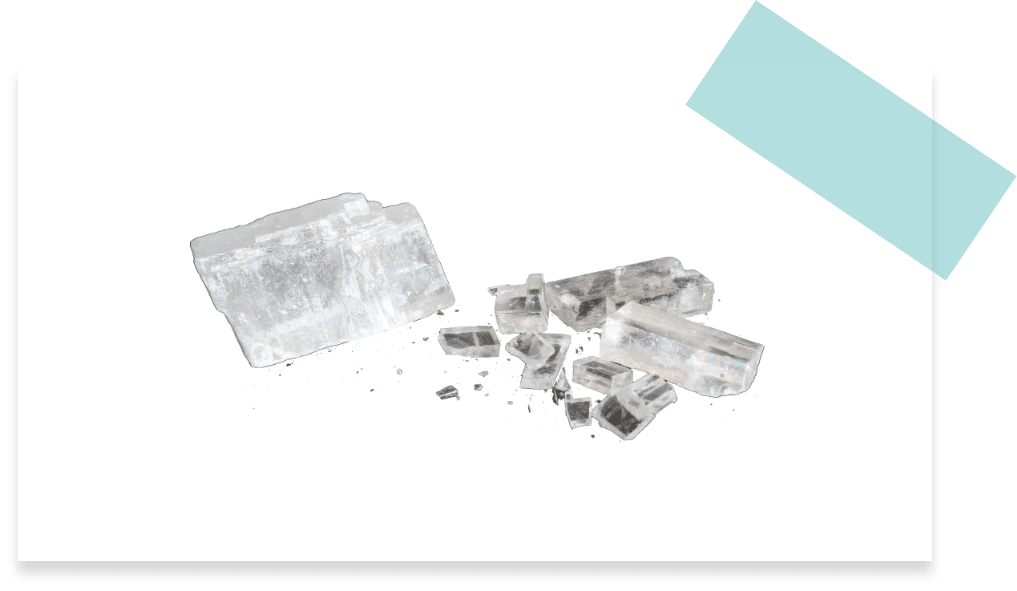
Calcite
a single cleavage plane
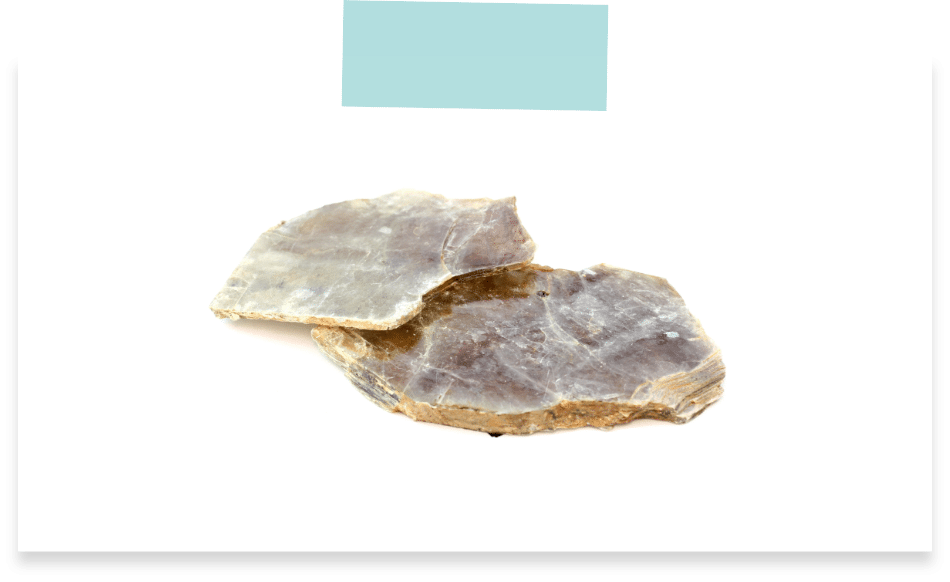
Muscovite
Crystal form
By definition, a crystal has flat surfaces that fit together to make specific geometric shapes. These shapes are often characteristic and make it possible to recognize different mineral species.
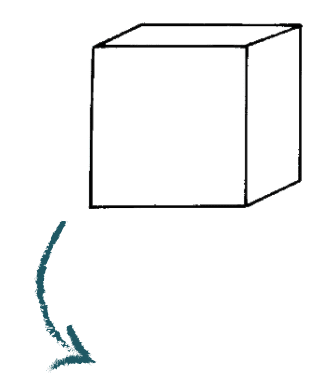
Halite, pyrite
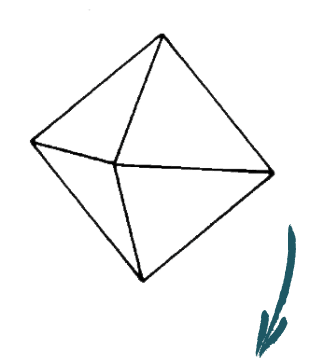
Fluorite
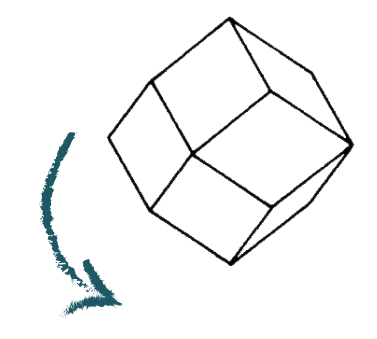
Garnet
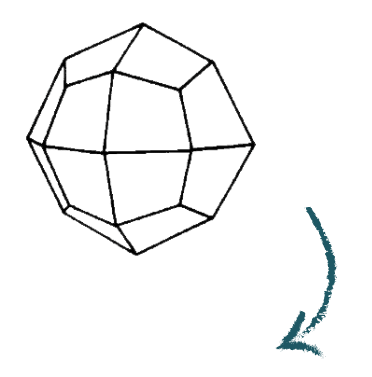
Analcime
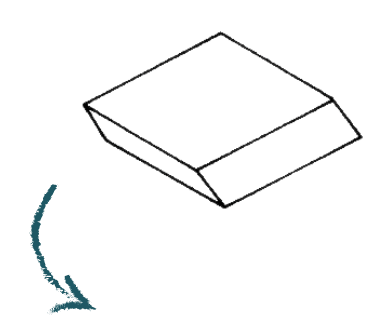
Calcite
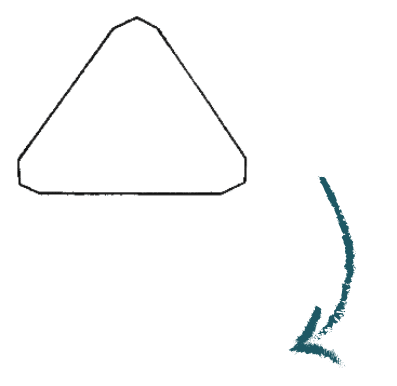
Tourmaline
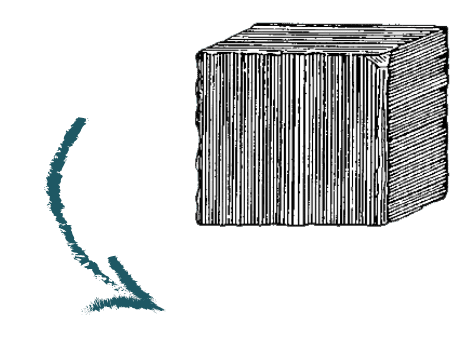
Striated pyrite
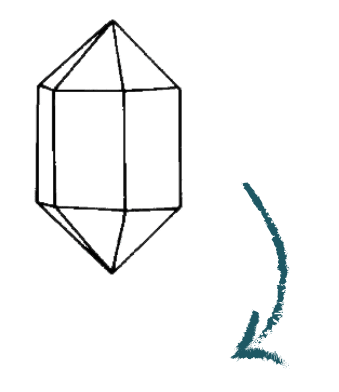
Calcite Quartz
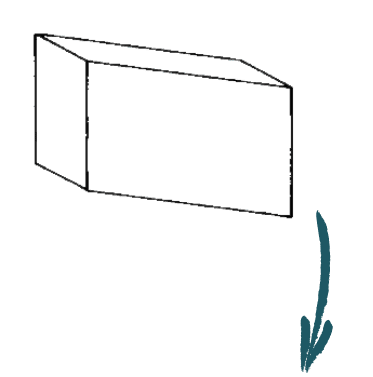
Feldspar
Hardness
The hardness of a mineral is its resistance to being scratched. This property is measured by comparing a specimen with 10 selected minerals arranged in order of increasing hardness. This series is called the Mohs scale of relative hardness (named after the German mineralogist who developed this approach in the 19th century).
The test is done by trying, one after the other, to scratch the mineral you want to identify with other minerals from different places on the scale.
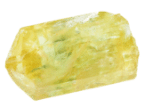
For example, pyrite, which has a hardness of 6.5, can scratch a mineral with a hardness of 1 (talc), 2 (gypsum), 3 (calcite), 4 (fluorite), 5 (apatite) and 6 (orthoclase), but cannot scratch quartz, which has a hardness of 7.
Mohs scale of relative hardness
| 1 | Talc | 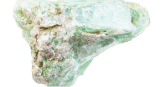 |
Scratched by a fingernail |
| 2 | Gypsum | 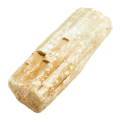 |
|
| 3 | Calcite | 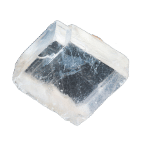 |
Scratched by a copper penny |
| 4 | Fluorite | 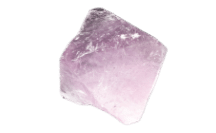 |
Scratched by a steel pocketknife blade |
 |
|||
| 6 | Potassium feldspar | 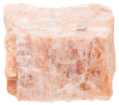 |
Scratch glass |
| 7 | Quartz | 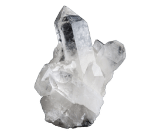 |
|
| 8 | Topaz | 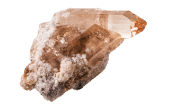 |
|
| 9 | Corundum | 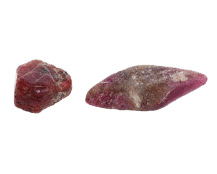 |
|
| 10 | Diamond | 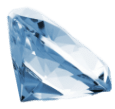 |
Since it is not practical to carry 8 or 10 minerals around on a field trip, geologists often estimate hardness using:

A fingernail

A copper coin hardness = 3

A knife blade (steel) hardness = 5.5
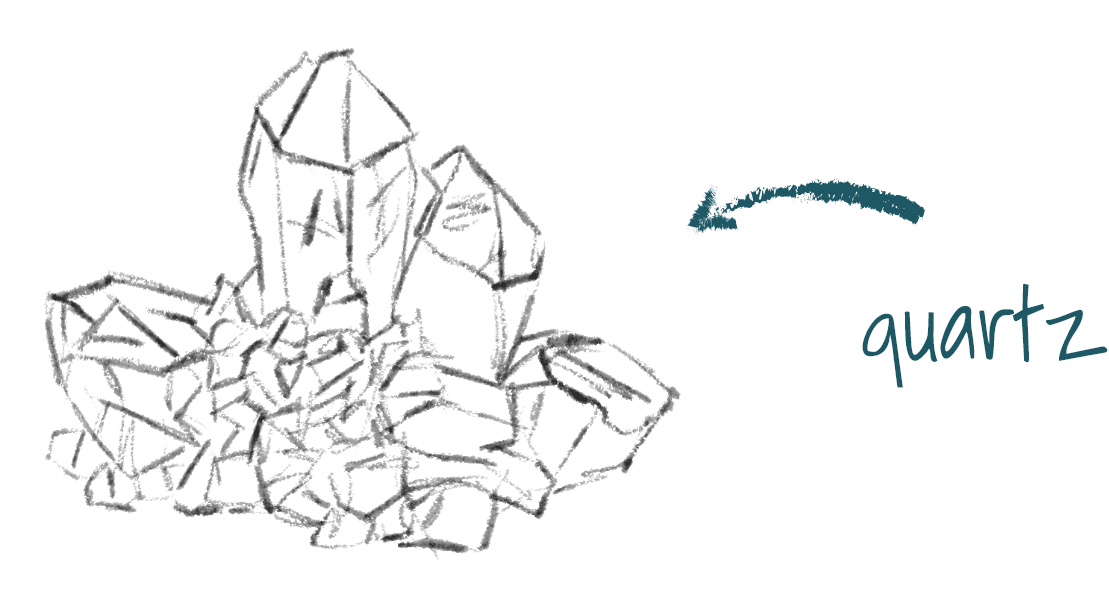
None of these items will scratch quartz, since its hardness is 7.
Talc is less hard than copper because copper scratches it.
Source: Planète Terre – U. Laval.
Other properties
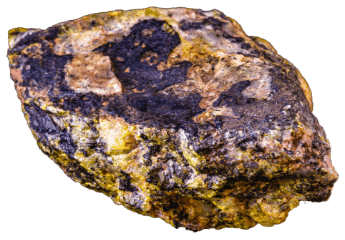
Radioactivity
Minerals that contain a large amount of radioactive elements (the most common are: uranium – U, potassium – K, thorium – Th) give off radiation that can be detected.
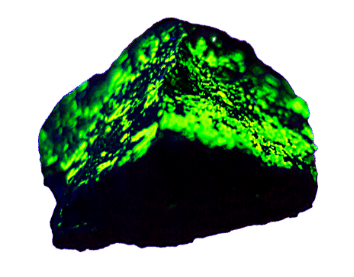
Fluorescence
This property describes minerals that give off light when they are exposed to ultraviolet rays.
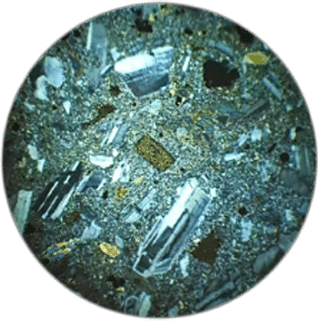
Optical
Specialists can analyze the optical properties of minerals with a microscope. They use a 30-micron slice of the rock or mineral they are studying and expose it to natural or polarized light. The interactions between light and the crystal structures make it possible to identify the mineral phases.
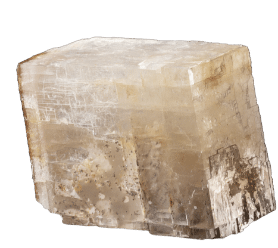
Fizzing with acid
Some minerals in the carbonate family react with acid, or even lemon juice. You can see this reaction as bubbles of carbon dioxide gas.
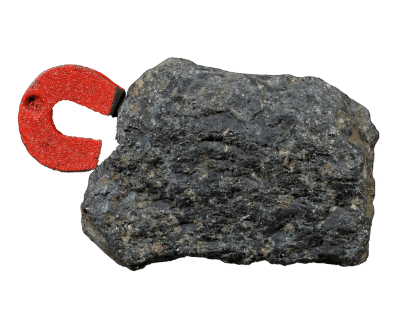
Magnetism
This property belongs to some minerals that contain iron (Fe). A mineral is called magnetic when it attracts a magnet. Some are strongly magnetic (magnetite), while others are only slightly magnetic (pyrrhotite).