Skip to secondary menuSkip to main contentSkip to footer

Logo - Les Géosciences - A down-to-earth discipline
  • Geologic Time
  • Minerals
  • Mineral Resources
  • FR
  • Digital Museums Canada
Geosciences – A Down-to-Earth Discipline
Back to Top
  • The Project
  • Acknowledgements
Digital Museums Canada
Quebec Ministry of Natural Resources and Forests
Laval University
Triaxe
iSCAN - 3D Expertise

Copyright © René-Bureau Geology Museum, 2026 – all rights reserved | Developed by Triaxe and iSCAN

Site Map

A planet with a question mark Did You Know?

Salt was once very rare and highly sought after.

Halite, which is table salt, was sought after by humans for a long time because it was used to preserve food.

Salt was rare and hard to find, so much so that part of the pay of Roman Empire soldiers, called the salarium, was paid in salt. This is where the word “salary” comes from.
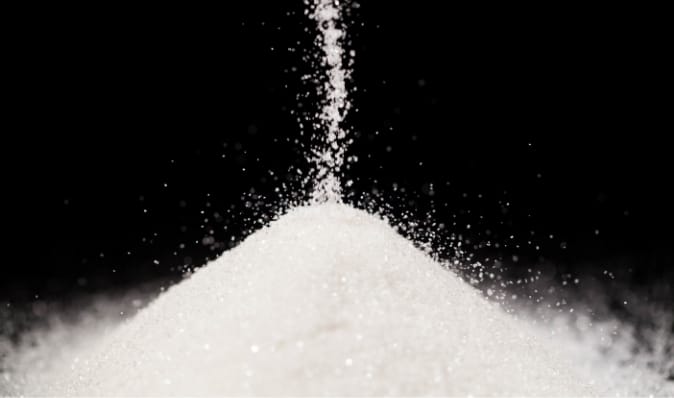
White salt crystals on a black background with the cube shapes typical of halite, once so rare and valuable that Roman soldiers were partly paid in salt

A planet with a question mark Did You Know?

What Earth Is Made Of

Although the periodic table now contains 118 elements, only 92 occur naturally on planet Earth. Several were made artificially, and others have no stable form.

What’s more, some of the 92 elements found on Earth are extremely rare. In fact, 99% of Earth is made of iron (Fe), oxygen (O), silicon (Si), magnesium (Mg), sulfur (S), nickel (Ni), calcium (Ca) and aluminum (Al)… you could say the remaining 1% is just impurities!
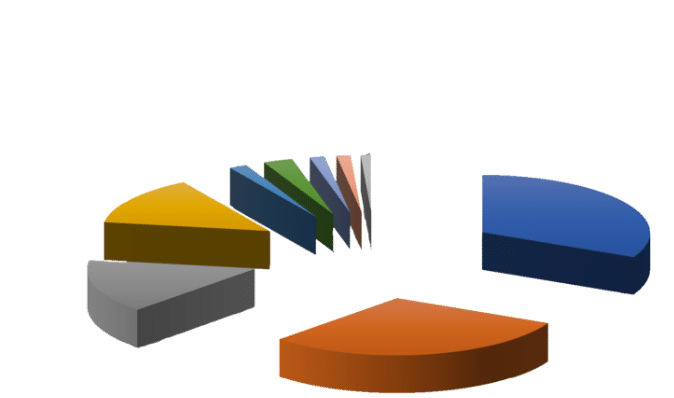

Pie chart of Earth’s composition: iron 32%, oxygen 30%, silicon 15%, magnesium 14%, sulfur 3%, nickel 2%, calcium 2%, aluminum 1% and others 1%